


Bathrooms can be one of the higher-risk areas of the home for seniors, especially when wet floors, hard surfaces, and limited space make it harder to move safely. Hard surfaces, wet floors, and unsteady movements can create major risks that people often overlook. A small slip while getting out of the shower or standing up from the toilet is enough to cause serious injuries in a fraction of a second. So, knowing how these injuries happen is typically the first step towards preventing them.
However, most of these injuries are preventable with a couple of simple changes and the right mobility equipment from renowned suppliers such as Med Mart. We help seniors and their families find the right bath safety products, each designed to prevent these risks. Understanding which injuries are common and why they happen can help you know exactly where to start.
Why the Bathroom Poses Such a High Risk for Seniors
Wet floors and hard surfaces, along with limited space, can make bathrooms extremely risky for seniors to navigate. Recent data shows that senior falls are often connected to daily consumer products, which account for 77% of emergency room visits among seniors 65 and older. Such risks are higher in spaces such as bathrooms where floors are slick, and support is limited.
Here are a few reasons why this risk deserves serious attention:
- Wet surfaces increase slip risk
- Hard fixtures raise injury severity
- Tight spaces limit safe movement
- Recovery from a fall takes longer
- Most of these injuries are preventable
Each of these reasons points to the same conclusion. A few careful, thoughtful changes, along with professional expertise, can reduce fall risk among seniors without a full bathroom renovation.
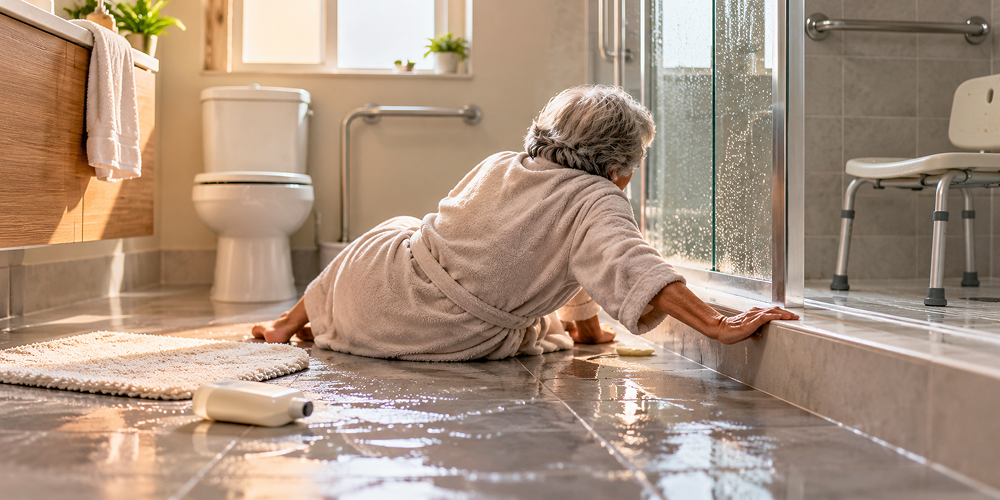
Common Bathroom Injuries Seniors Face Every Day & What Causes Them
The following are the most frequent bathroom injuries common among seniors, along with the daily habits that make them more likely to happen:
Slips and Falls in the Shower or Tub
Entering and stepping out of a shower or a tub is one of the common risks for seniors. This is mainly because wet feet and slippery surfaces leave little room for error. A small misstep can lead to a serious injury that happens in less than a second.
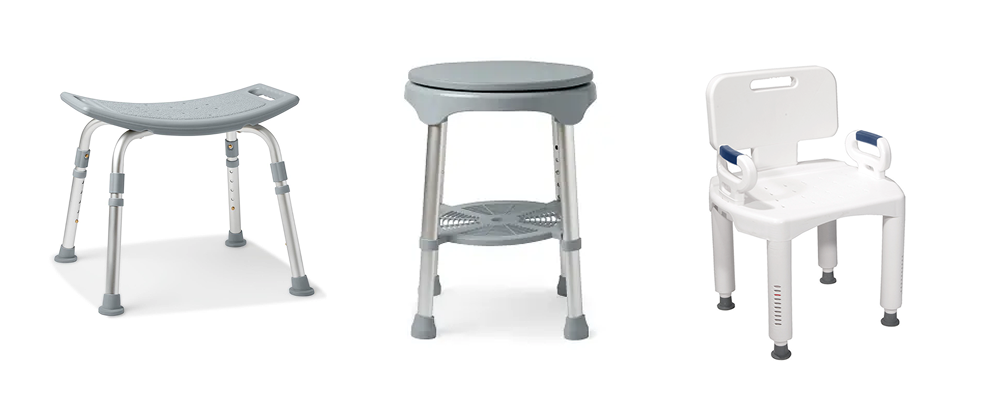
What makes this moment risky:
- Wet, slippery tub surfaces
- High tub walls to step over
- No grab bar for support
- Soap or shampoo residue underfoot
How to Prevent It
Mobility equipment such as shower stools & seats lets a senior bathe seated instead of standing on a wet surface. Pairing it with a grab bar can make it one of the safest spots in a bathroom.
Falls Getting On or Off the Toilet
Standing up from a low toilet can be difficult for seniors who have reduced leg strength, balance, or mobility. Most people compensate for it by pushing off nearby surfaces that aren’t designed to bear their weight.
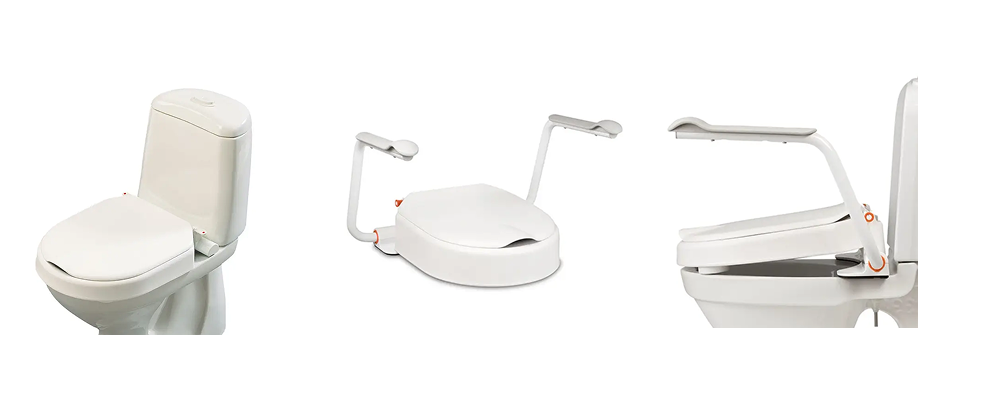
What makes this moment risky:
- Standard toilet height is too low
- Nearby towel bars aren't load-bearing
- Limited space for stable footing
- Rushing due to urgency
How to Prevent It
Installing a raised toilet seat can reduce the distance a person has to push or lower themselves. This eases the load on weakened leg muscles. This removes the temptation to reach for a surface that was hardly meant to hold their weight.
Hip Fractures from Slippery Floors
A fall onto a hard bathroom floor can result in a hip fracture or other serious injury. Hip fractures can be particularly challenging for older adults and may lead to a lengthy recovery, reduced mobility, and difficulty maintaining independence.
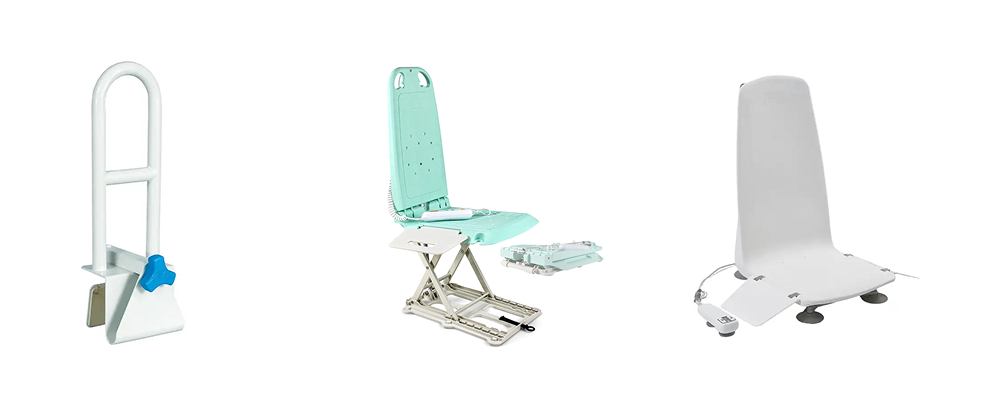
Why this injury is so serious:
- Tile floors offer no cushioning
- Bone density decreases with age
- Recovery time is often lengthy
- Independence can be affected long-term
How to Prevent It
Bath lift installations can lower or raise a person in and out of the tub. This removes the moment of instability that ends in a fall onto a hard floor.
Burns from Hot Water
Skin becomes thinner and less sensitive to temperature with age, which makes it easier to get burned without immediately noticing. Water heaters set too high only add to this risk.
What increases burn risk:
- Reduced skin sensitivity to heat
- Water heaters set above 120°F degrees
- Difficulty reaching faucet controls quickly
- Slower reaction time when adjusting water
How to Prevent It
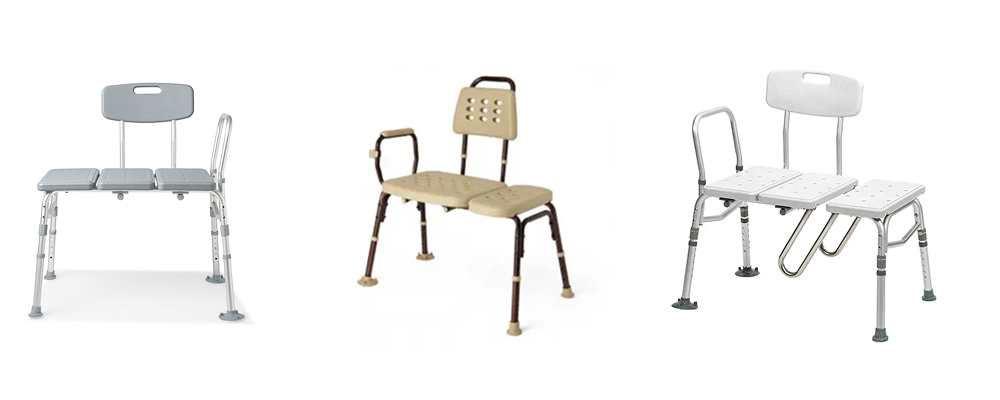
To reduce the risk of burns, keep the water heater set to a safe temperature and test the water before bathing. Seniors with limited mobility may also benefit from a transfer bench, which can provide a more stable seated position when getting into or out of a tub.
Head Injuries from Hard Surfaces
A fall in the bathroom often means landing near a tub edge, countertop, or tile floor, all of which offer no give whatsoever. Even a minor stumble can turn into a serious head injury in this kind of space.
What makes head injuries more likely here:
- Hard edges on tubs and counters
- Very little open floor space
- No soft surfaces to break a fall
- Limited room to catch balance
How to Prevent It
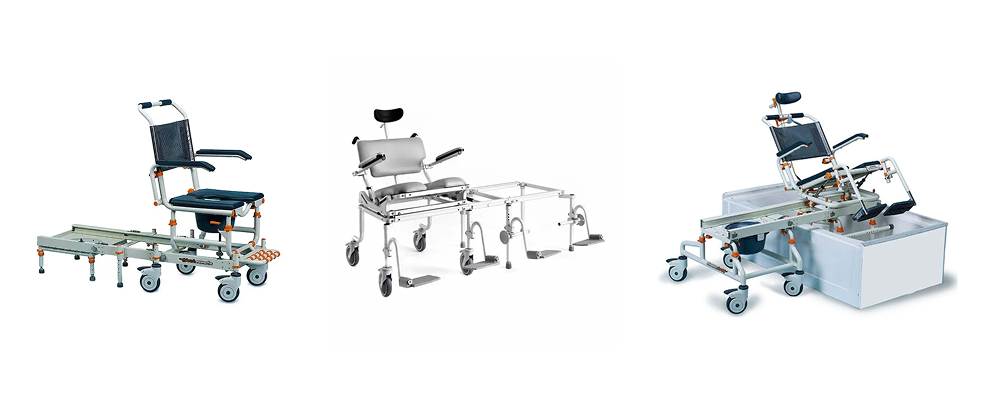
Bathroom transfer systems guide safe, supported movement between the toilet, tub, and sink. This keeps a person steady during the exact moments a fall is most likely to send them into a hard edge or countertop.
Muscle Strains from Reaching or Twisting
Reaching for a towel, twisting to grab a shelf, or bending awkwardly over a low sink can strain muscles that are already working harder than they used to. These injuries are less dramatic than a fall but still disrupt daily life.
What causes these strains:
- Storage placed too high or too low
- Awkward twisting to reach items
- Bending over low sinks or tubs
- Repetitive strain during daily routines
How to Prevent It
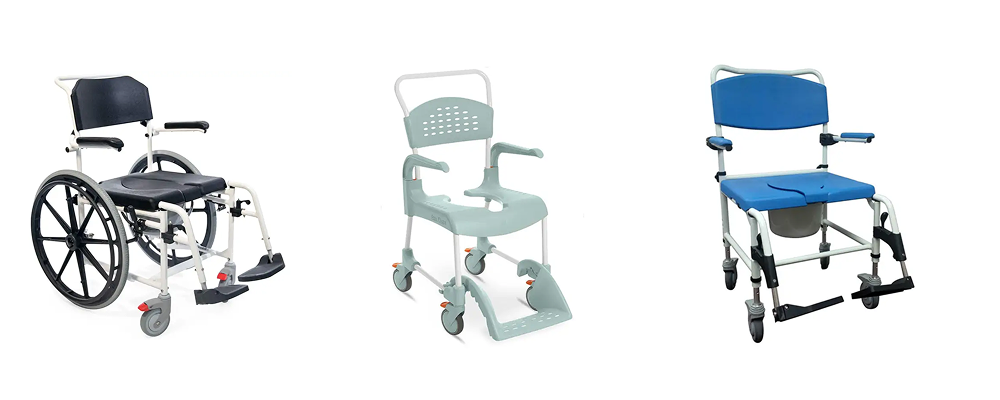
A shower commode chair lets seniors sit while washing or using the toilet. This removes the need to twist, bend, or reach for support and reduces the everyday strain that builds up over repeated routines.
Falls During Transfers for Those with Limited Mobility
Moving between a wheelchair, walker, or bed and the toilet or shower is one of the highest-risk moments in the whole bathroom routine, since it depends entirely on a person's own strength and balance at the exact point they're least supported.
What makes transfers risky:
- No equipment to support body weight during the move
- Caregivers manually lifting or bearing weight
- Short, unsteady distances with nothing to hold
- Fatigue increasing risk with each transfer
How to Prevent It
The right transfer equipment can provide additional support when moving between a wheelchair, toilet, shower, or tub. Depending on the person's mobility and level of assistance needed, options may include transfer benches, shower or commode chairs, or other specialized transfer equipment. Caregivers should follow the manufacturer's instructions and any guidance provided by a healthcare professional.
Bath Safety Products Reach Homes Nationwide Through Med Mart
Preventing a bathroom injury often comes down to having the right equipment in place before it's needed, not after. Med Mart carries a wide range of bath safety products, from grab bars to raised toilet seats, and ships them quickly to homes across the country.
Here's what customers get with every order:
- Free shipping on orders over $50
- Price match guarantee on comparable items
- Free lifetime technical support included
- Flexible financing options at checkout
- HSA and FSA eligible purchases
Contact us today to find the bath safety products that fit your bathroom and your budget.
A Safer Bathroom Is Closer Than You Think
Every bathroom has its own layout, fixtures, and quirks, and there's no single fix that works for every home. Some families start with one simple change, like a grab bar or a non-slip mat, while others plan a bigger update all at once. Whatever prompted you to think about bathroom safety today, that awareness is worth acting on.
With a few thoughtful changes and the right equipment, the bathroom can go from one of the riskiest rooms in the house to one of the safest.
Frequently Asked Questions
1. Will bathroom safety equipment be covered by Medicare or insurance?
Coverage varies by plan and equipment type. Certain items may need proof of medical necessity or a prescription. Contact your Medicare plan or private insurer for specific coverage requirements.
2. Can I install grab bars myself?
Most grab bars include simple installation instructions. Always anchor grab bars properly to the wall.
3. Which grab bar placement is best for my bathroom?
The layout will determine the mounting location, but usually, we find them next to the toilet, inside the shower, or on the tub wall.
4. What bathroom safety equipment can renters use that won’t damage the property?
Items you might want to consider include portable shower seats, bath transfer benches, non-slip bath mats, and more. Do not use suction-mounted grab bars to support body weight unless the manufacturer states otherwise.
5. How often should bath safety equipment be checked?
Check items like grab bars, mats, and seats every few months to catch loosening or wear early.