


Home caregivers often manage hospital bed mattresses as part of their daily responsibilities, balancing comfort, hygiene, and safety for individuals with limited mobility who spend extended time in bed. Proper cleaning and maintenance help prevent skin issues, manage moisture, and preserve mattress performance over time. Without clear guidance, even well-intentioned cleaning routines can lead to unnecessary wear or hygiene concerns.
This guide offers practical, easy-to-follow steps to help caregivers maintain hospital bed mattresses correctly at home. Support and equipment designed for these needs are available through trusted providers such as Med Mart, which offers medical sleep products that simplify daily routines, including a hospital bed mattress for home care.
Understanding Hospital Bed Mattress Types
Different mattress types address varying comfort needs, hygiene requirements, and care conditions in home settings.
Foam Mattress
Foam mattresses provide consistent support and pressure relief. Lightweight construction allows easy handling, repositioning, and cleaning during daily caregiving activities.
Air Pressure Mattress
Air pressure systems adjust firmness automatically. Alternating air flow reduces prolonged pressure and supports individuals at higher risk of skin breakdown.
Innerspring Mattress
Innerspring mattresses offer familiar comfort with added structure. These designs suit users transitioning to hospital beds for home while maintaining a traditional sleep feel.
Mattress Overlays
Overlays sit on top of existing mattresses. Added layers improve pressure relief and comfort without replacing the primary mattress.
Mattress Bolster
Bolsters assist with positioning and alignment. Side support improves comfort and helps maintain safer sleeping positions.

Medical Grade Mattress Benefits
Medical-grade mattresses are designed to meet strict safety, hygiene, and performance standards. The features below are especially important for individuals who spend extended periods in bed and for caregivers responsible for maintaining a safe, clean home care environment.
Anti-Microbial Protection
Medical-grade mattresses are constructed with anti-microbial materials that help inhibit the growth of bacteria, mold, and odor-causing microbes. This added layer of protection supports healthier sleep surfaces and reduces infection risk, particularly for individuals with sensitive skin or compromised immune systems.
Fluid-Resistant Design
Fluid-resistant covers and protective layers prevent liquids from penetrating the mattress core. This feature safeguards against spills, perspiration, and incontinence-related moisture, while also making routine cleaning easier and helping preserve long-term mattress hygiene and durability.
Fire-Retardant Safety
Medical-grade mattresses are manufactured using fire-retardant materials that meet required healthcare safety standards. This protection enhances safety in home care environments and helps reduce fire-related risks associated with prolonged bed use and medical equipment.
Pressure Redistribution and Comfort
Beyond safety and hygiene, medical-grade mattresses are engineered for effective pressure redistribution. Even weight distribution reduces stress on vulnerable areas, supports healthy circulation, and improves overall comfort during extended periods of rest.
Before You Start: Cleaning Supplies Checklist
Proper preparation ensures safe cleaning without damaging mattress materials or reducing protective performance during regular care routines. All you will need is:
- Mild liquid detergent
- Warm clean water
- Disposable gloves
- Soft cloths or sponges
- Approved surface disinfectant
- Absorbent towels
- Waterproof mattress protector
* Always review the mattress manufacturer’s cleaning and disinfecting recommendations before use.
Manufacturers specify approved cleaning solutions and disinfectants to ensure the safest and most effective care of the mattress surface. Using unapproved products may compromise fluid-resistant barriers, fire-retardant materials, and anti-microbial properties. Following manufacturer guidance helps protect mattress performance, extend product lifespan, and maintain hygienic sleeping conditions.
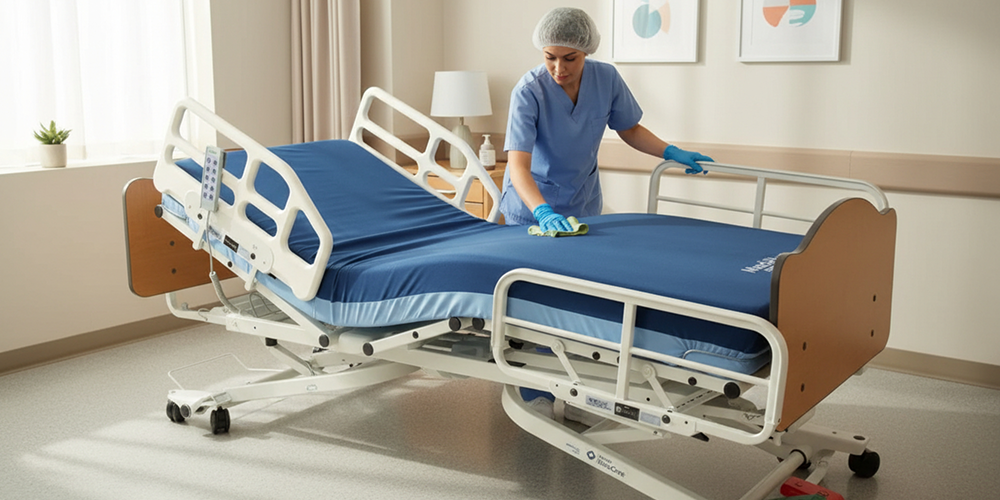
Step-by-Step Hospital Bed Mattress Cleaning Tips
Proper mattress cleaning protects both comfort and hygiene in a home care setting. Each step below explains not only what to do but also why it matters, helping caregivers maintain safe, supportive sleep surfaces over time.
Step 1: Review Mattress Care Instructions
Every hospital bed mattress is designed with specific materials that respond differently to cleaning agents and moisture. Reviewing the manufacturer’s care instructions helps prevent accidental damage to foam layers, waterproof covers, or seams. This step is essential because choices made during the buying of the right mattress often determine how much care and maintenance the product will require over time. Understanding these details early supports safer, more effective cleaning.
- Read the manufacturer's care label
- Check approved cleaning agents
- Confirm waterproof cover guidelines
- Review drying recommendations
- Note handling limitations
Step 2: Remove Bedding and Prepare the Surface
Preparing the mattress surface properly improves cleaning results and reduces the spread of germs. Sheets, pads, and protectors often absorb sweat and moisture, making removal necessary before cleaning the mattress itself. The Centers for Disease Control and Prevention (CDC) emphasizes that contaminated surfaces can increase infection risks in care environments. A clean surface allows disinfectants to work more effectively.
- Remove sheets and protectors
- Launder bedding separately
- Shake off loose debris
- Inspect the mattress surface
- Dispose of disposable materials
Step 3: Clean the Mattress Surface Gently
Gentle surface cleaning removes dirt and residue while protecting the mattress's internal structure. Excessive scrubbing or soaking can damage foam layers and waterproof barriers, reducing comfort and lifespan. A careful approach supports hygiene while preserving softness and pressure relief, both of which are essential for making hospital beds comfortable during long periods of rest at home.
- Mix a mild detergent solution
- Lightly dampen a cloth
- Wipe evenly across the surface
- Focus on high contact zones
- Avoid soaking materials
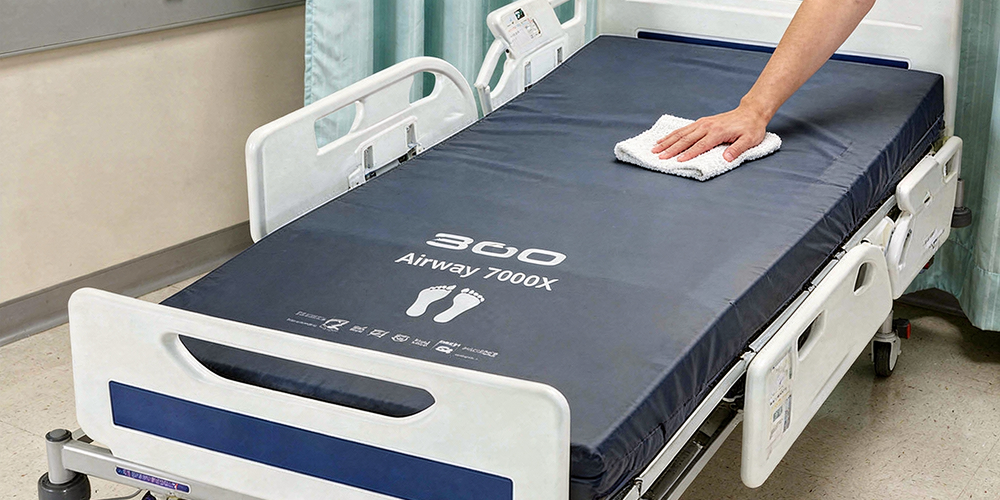
Step 4: Disinfect High-Contact Areas Safely
Disinfection plays a critical role in reducing bacteria on areas that experience frequent contact, such as the center of the mattress and edges. Using approved disinfectants helps maintain hygiene without damaging protective layers. Caregivers managing frequent moisture exposure often buy a bedwetting mattress, making safe and regular disinfection even more critical for maintaining cleanliness and comfort.
- Apply disinfectant to the cloth
- Wipe high-contact areas
- Allow proper contact time
- Avoid excess liquid
- Remove residue gently
Step 5: Dry the Mattress Completely
Drying completes the cleaning process and protects the mattress from mold, odors, and material breakdown. Trapped moisture can compromise hygiene and reduce mattress durability. The World Health Organization (WHO) highlights moisture control as a key factor in infection prevention practices. Allowing full air drying supports long-term mattress performance.
- Blot remaining moisture
- Allow natural air drying
- Ensure room ventilation
- Avoid direct heat
- Confirm complete dryness
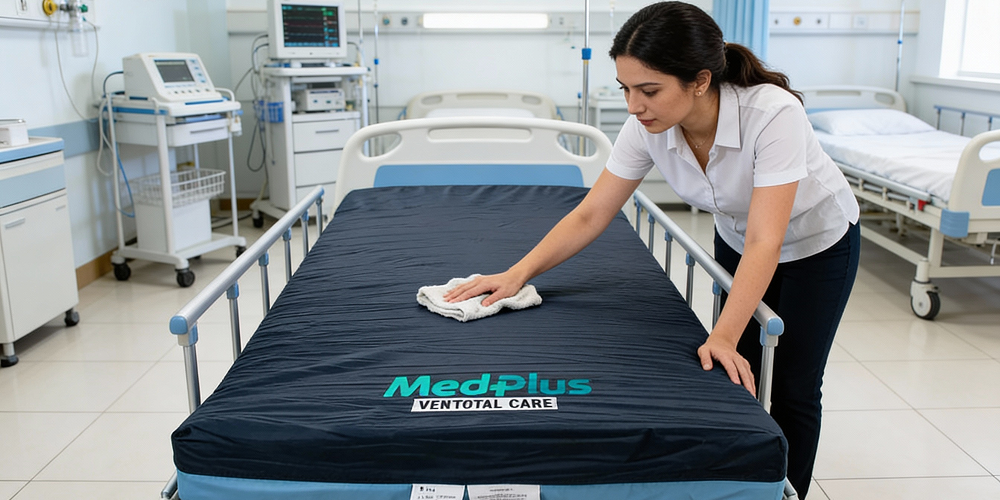
Best Ways to Protect and Extend Mattress Life
Preventive habits help maintain comfort and hygiene while reducing replacement frequency. With proper use and routine maintenance, medical-grade mattresses typically have an average lifespan of approximately five years, depending on care practices, usage conditions, and manufacturer recommendations.
Use a Waterproof Protector
Protectors block spills and moisture. Easy removal supports frequent washing while preserving mattress integrity.
Handle With Care
Proper handling prevents foam damage. Avoid bending or folding during repositioning.
Address Spills Quickly
Immediate cleaning prevents stains and odors. Fast response supports hygiene control.
Maintain Proper Positioning
Correct placement prevents edge damage. Secure fit improves safety and comfort.
Signs It’s Time to Replace a Hospital Bed Mattress
Mattress condition directly affects comfort and hygiene. Recognizing warning signs supports safer care.
Persistent Odors
Lingering smells suggest absorbed moisture or bacterial buildup despite cleaning efforts.
Surface Cracks or Tears
Damaged covers allow fluids inside. Compromised barriers increase hygiene risks.
Reduced Support
Flattened areas reduce pressure relief. Discomfort and poor posture may follow.
Moisture Retention
Repeated dampness signals barrier failure. Moisture trapped inside promotes bacterial growth.
Declining Comfort
Increased complaints indicate performance loss. Replacement restores proper support.
Med Mart’s Choice of Easy-to-Care Mattresses
Med Mart offers thoughtfully designed mattresses that simplify cleaning while supporting comfort, hygiene, and durability for home care environments.
Protekt® Fiber Homecare Mattress
This mattress is designed for everyday home care use, offering dependable support with a lightweight build. Its easy-to-clean surface and patient-friendly construction help caregivers manage hygiene without sacrificing comfort or durability.

Protekt® Fiber Homecare Mattress
Key Highlights
- Built for consistent daily home use
- Lightweight design for easy handling
- Smooth construction enhances patient comfort
- Moisture-resistant surface supports hygiene
- Simple cleaning with minimal effort
- Designed to support standard weight needs
Invacare Softform Premier Mattress
This mattress combines advanced foam design with patient-focused comfort. It adapts to body contours while redistributing pressure, making it a reliable option for individuals requiring extended bed rest at home.
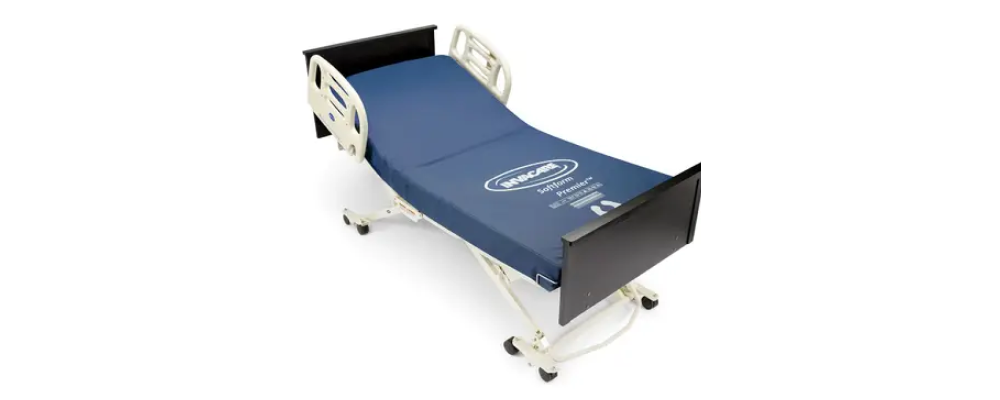
Invacare Softform Premier Mattress
Key Highlights
- Foam adapts to the natural body shape
- Pressure relief supports skin health
- Durable seams improve long-term use
- Concealed zipper enhances safety
- Removable cover simplifies cleaning
- Stretch fabric supports comfort and movement
Accora 600 Gel-Infused Foam Pressure Redistribution Mattress
This mattress uses gel-infused foam to manage pressure and enhance comfort effectively. Designed for long-term home care, it balances support, hygiene protection, and durability to provide higher comfort and safety for individuals with greater needs.
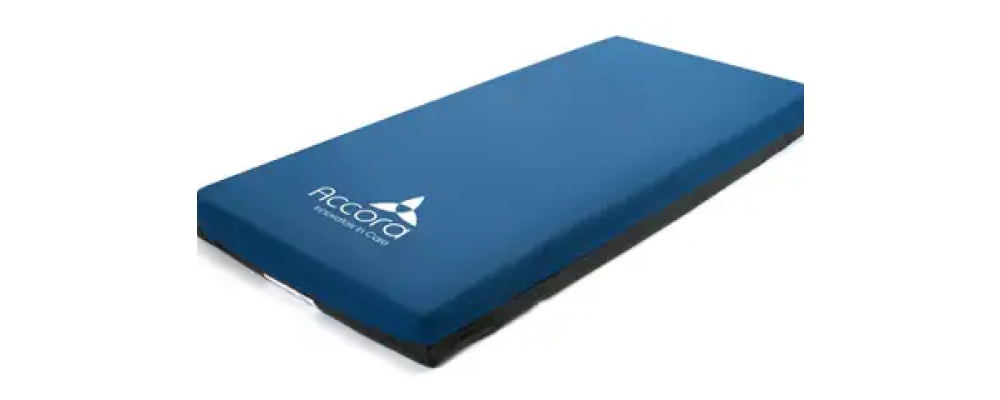
Accora 600 Gel-Infused Foam Pressure Redistribution Mattress
Key Highlights
- Gel-infused foam improves pressure management
- Firm edges support safer transfers
- Waterproof layers protect the mattress core
- Heel slope reduces pressure buildup
- Fire-safe materials meet safety standards
- Easy-remove cover supports routine cleaning
- Protective layers limit fluid penetration
Conclusion
Regular cleaning and thoughtful maintenance of a hospital bed mattress help protect comfort, hygiene, and overall well-being at home. Simple routines reduce health risks, preserve mattress performance, and support better rest for individuals who rely on medical beds every day.
At Med Mart, we offer easy-to-care-for hospital mattresses designed for home use that combine comfort, durability, and hygiene. Explore trusted options that simplify caregiving and improve daily comfort.
Frequently Asked Questions
1. How often should a hospital bed mattress be cleaned at home?
Clean hospital bed mattresses weekly, with immediate spot cleaning after spills or moisture exposure incidents.
2. What cleaning products are safe for hospital bed mattresses?
Use mild detergent and approved disinfectants to protect mattress materials and maintain safe hygiene standards.
3. How long should a mattress dry after cleaning?
Allow mattresses to air dry completely before reuse to prevent odor, mold, and bacterial growth.
4. When should a hospital bed mattress be replaced?
Replace a hospital bed mattress when support declines, covers crack, odors persist, or comfort noticeably decreases.
5. Do mattress protectors help with hygiene?
Waterproof mattress protectors block fluids, simplify cleaning, and extend mattress life during home care use.