


Growing older, recovering from surgery, or living with a mobility challenge all share a common concern. That is to stay steady on your feet at home. Falls can happen in almost any room of the home. Loose rugs in the living room, cluttered walkways, dim lighting in the hallway, and slippery bathroom floors can turn any ordinary moment into a serious fall. Choosing the right mobility products and making a few careful changes can make any room in the house feel safer.
Having the right support close to home can help prevent top fall risks instead of reacting after they happen. This can include a caregiver, a doctor’s guidance, or having the right mobility equipment already installed. This is where families are more likely to choose options through Med Mart. A reliable medical equipment supplier can help seniors, people with limited mobility, and those recovering at home choose the right mobility aid for lasting comfort.
Falls Add Up More Than Most Families Expect
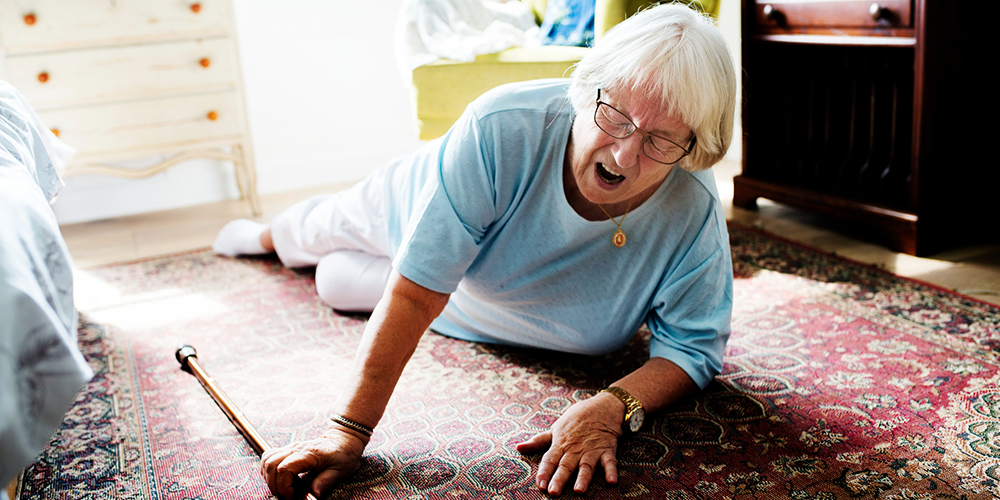
One of the most common threats across households with seniors and people with limited mobility is falls. The risk is present in every room of the home, not just one. A recent report found that fall rates increase with age. Almost one in every four adults from 65 to 74 and more than one in three adults 85 and older face fall risks at home.
Here’s why detecting risks sooner matters a lot:
- Falls are more common than expected
- Small hazards can lead to major injuries
- Falls can happen almost anywhere in the home
- Early awareness prevents most falls
- A safer home can help build mobility confidence
Clear knowledge of common fall risks at home can help families take small, simple steps to safeguard long-term safety, comfort, and daily mobility.
The Most Common Fall Hazards Hiding in Plain Sight at Home
Most fall risks at home are ordinary, everyday items that rarely get a second thought. Detecting them sooner is the first step toward preventing injury, regardless of age or mobility level.
Loose Rugs and Mats
Mats or rugs that shift, slide, or curl at the edges are common hazards that can cause seniors to trip in any home. Even small movements underfoot can quickly lead to a sudden, serious fall for those already dealing with poor posture or difficulty maintaining balance.
Simple ways to fix this:
- Use non-slip rug backing
- Tape down rug edges
- Remove rugs in walkways
Non-slip mats and rugs with secure backing, or removing them completely from the walkway, are some of the most cost-effective ways to prevent a fall at home.
Poor Lighting
Staircases, dim hallways, and bathrooms can make it much harder to see steps, thresholds, and clutter. Lack of proper lighting is especially risky in the early morning or at night, when everyone is tired and moving around the home.
Ways to brighten unsafe areas:
- Add nightlights in hallways
- Use brighter bathroom light bulbs
- Install lights near staircases
Adequate lighting around the home, covering areas from hallways to staircases, can help people see hazards clearly before they become a serious issue.
Cluttered Walkways
Hidden obstacles can be in plain sight, such as shoes, cords, or boxes. These daily items are easy to overlook until someone trips over them without warning.
Simple habits that help:
- Keep floors clear daily
- Store cords away from paths
- Organize shoes near the door
A clutter-free, tidy walkway free of shoes, cords, or boxes is one straightforward daily habit that can make a home safer.
Unstable Furniture
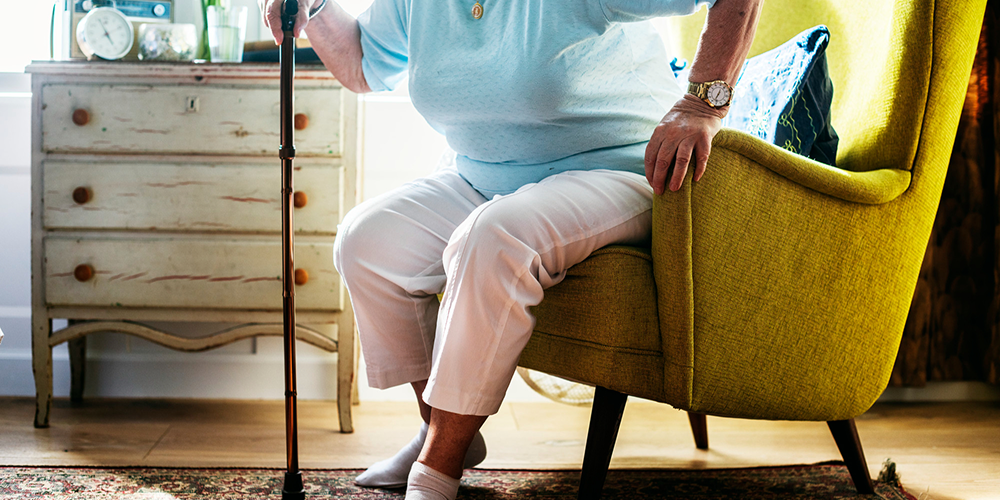
Low beds, wobbly chairs, and furniture without armrests can remove support that most people depend on daily. Unstable pieces can make sitting down and standing back up much riskier than necessary, especially after surgery or a major illness.
What to check around the house:
- Tighten loose chair legs
- Choose chairs with sturdy armrests
- Avoid furniture that wobbles easily
Steady, supportive furniture with solid armrests can make regular movements feel visibly safer and extremely comfortable for everyone at home.
Stairs Without Handrails
Stairs without handrails can remove a main source of support and balance for those climbing up or down daily. Missing or loose railings can make everyday trips up and down extremely hazardous, especially in low light.
Ways to make stairs safer:
- Install handrails on both sides
- Tighten any loose railings
- Add non-slip stair treads
Ensure handrails on both sides are secure. This provides extra confidence and strong support with every step.
Mobility and Safety Equipment Solutions To Avoid Fall Risks At Home
We offer a huge array of mobility products designed to make daily movement easier and safer for older adults. They are also ideal for people with limited mobility and those recovering at home.
Bath Safety Equipment
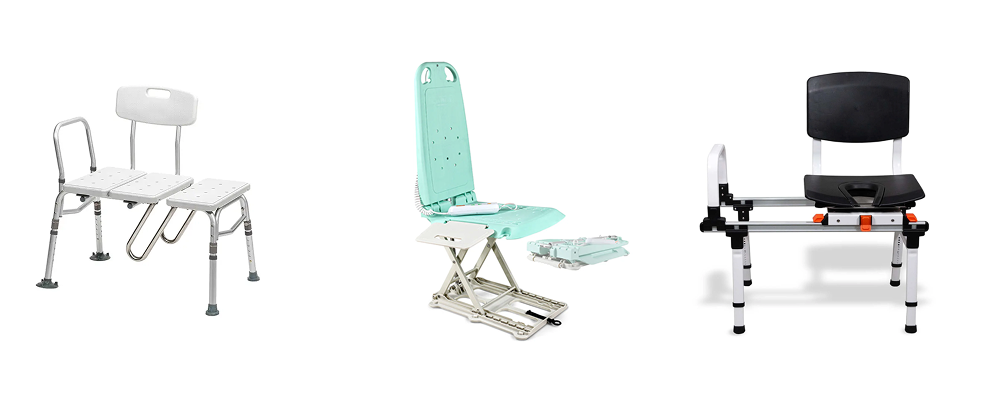
Adding grab bars, non-slip mats, and a shower seat are common bath safety products that help reduce slipping. They also provide additional support during bathing. These simple additions can turn any high-risk bathroom into a visibly safer, more manageable space for daily use.
Best For:
- Seniors dealing with balance issues
- Individuals recovering from a major surgery
- Bathrooms installed with slipper tile
- Families seeking budget-friendly mobility upgrades
Bath Lifts
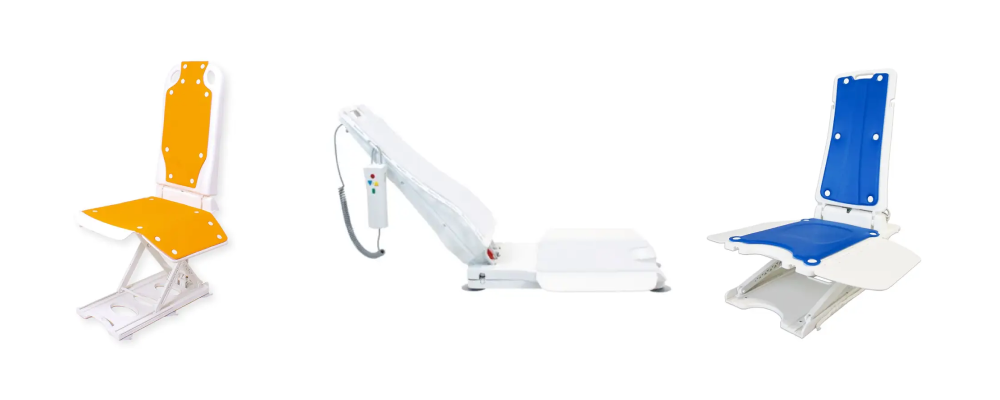
Bath lifts are another category of mobility equipment that raises and lowers a person in and out of the tub. This reduces strain on the knees, back, and hips. They offer a safer and more comfortable bathing experience for seniors and people with mobility challenges.
Best For:
- Older adults with reduced leg strength
- Individuals dealing with hip or knee pain
- Those who face challenges with tub transfers
- Caregivers assisting loved ones during bathing time
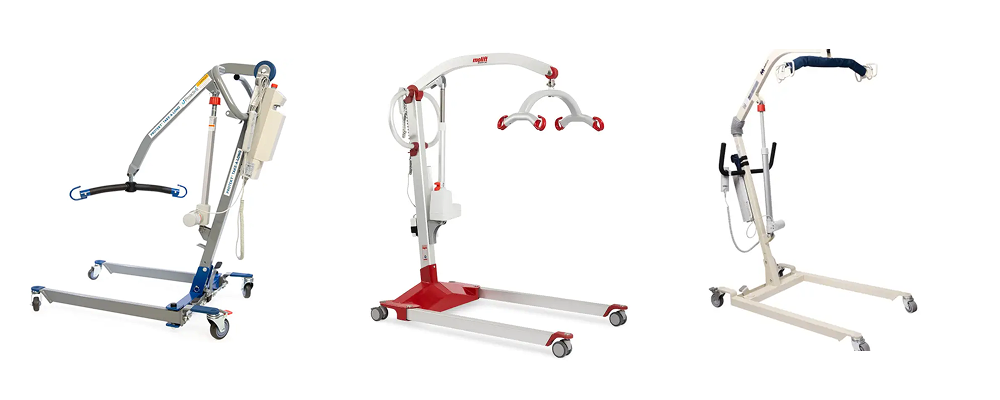
Electric Patient Lifts
Electric patient lifts help transfer someone between a chair, bed, or wheelchair with less physical strain. They help reduce injury risk for both the patient and the caregiver assisting them throughout the day.
Best For:
- Seniors dealing with mobility challenges
- Caregivers who assist with daily transfers
- Homes that manage an individual with post-surgery recovery
- People at high risk of falling
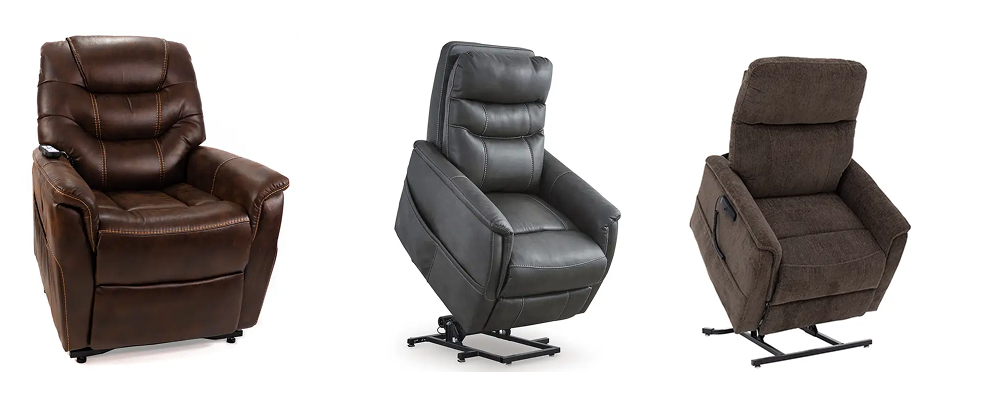
Power Lift Chairs
Power lift chairs tilt forward to help individuals shift from sitting to standing with less strain and physical effort. They help reduce fall risk during one of the most physically challenging regular movements.
Best For:
- Seniors with weaker hips or knees
- Those who are dealing with chronic joint pain
- Those who live alone
- People who are recovering post-surgery
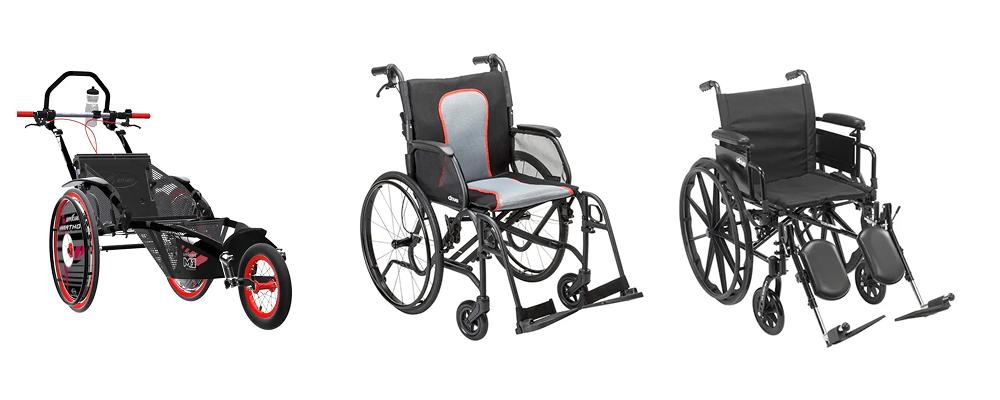
Wheelchairs
Wheelchairs provide reliable, steady support for seniors who need extra help moving safely around the home or outside each day. The right fit can improve comfort, posture, and mobility independence for daily use.
Best For:
- Seniors with mobility challenges
- Extended trips outside the home
- Long-term recovery periods
- Added daily stability and support
Med Mart Helping Families Move More Safely
Choosing the right mobility equipment is one of the most effective ways to prevent fall risks at home. At Med Mart, we offer top-grade medical mobility equipment to help seniors, people with mobility challenges, and their families find products that align with their needs and budget.
Contact us today to consult with a mobility specialist about your safety needs and the equipment that fits your home!
Reach Out and Move Forward with Confidence
Not feeling safe at home doesn’t mean you have to give up your independence. It’s about taking preventive measures to make your home a safe place for free mobility. Every small change, from a grab bar to brighter hallway lights, builds mobility confidence and fewer worries.
Whatever you’re planning or need changes at home, support is just a call away whenever you feel ready. The right guidance from seasoned professionals can make a home safer and more comfortable.
Frequently Asked Questions
1. Does insurance cover bath safety equipment?
Coverage depends on your specific plan. Medicare and some private insurers may cover certain mobility and safety devices with a prescription.
2. Can grab bars be put on any bathroom wall?
Some walls may not be suitable; grab bars must be anchored into solid wall studs or reinforced backing for real, lasting safety.
3. How can I tell if someone needs a wheelchair?
Common signs include frequent stumbling while walking, fatigue after walking a short distance, and becoming unsure whether he or she can move safely around the house.
4. What sets a walker apart from a rollator?
A walker is designed to be lifted with every step to support the user. A rollator has wheels and a seat, allowing the user to rest.
5. Are bath lifts secure for everyday use?
Bath lifts are designed for daily use and include safety features such as secure harnesses, cushioned seats, and easy controls.