


Staying at home as you grow older is not just a choice for most people. It is a deeply personal decision rooted in comfort, dignity, and independence. Aging in place is the ability to live safely in your own home as your needs change over time. This is achievable for most seniors with the right planning and the right equipment.
According to the Home and Community Preferences Survey conducted by AARP, 75% of adults aged 50 years and older desire to stay in their own homes as they age. However, wanting to stay at home and being able to do so safely are two different things.
This is where Med Mart helps. As the leading home medical equipment provider, we have helped thousands of families transform their homes into safe and accessible living spaces. Let’s now share with you a room-by-room checklist to help you identify what needs attention and make practical modifications to create a safe, more accessible living environment.
Aging in Place Checklist: A Room-by-Room Safety Review
Let’s now take a closer look at the effective measures one can take for safe, comfortable aging in the place you call home.
Whole-Home Safety Checklist
Before reviewing individual rooms, walk through your home and look for common safety hazards:
- Clear up loose rugs and objects from walkways
- Improve lighting throughout the home
- Secure electrical cords away from walls
- Set up handrails as required
- Ensure smoke and carbon monoxide detectors are working
- Store frequently used items within easy reach
- Inspect the flooring for uneven floors or trip hazards
Your first move should be to work through each area of the home and address the high-risk zones.
Home Access
Entryways are one of the most important areas to evaluate when planning for aging in place. Even a few steps can create challenges for individuals using mobility equipment.
Ramps
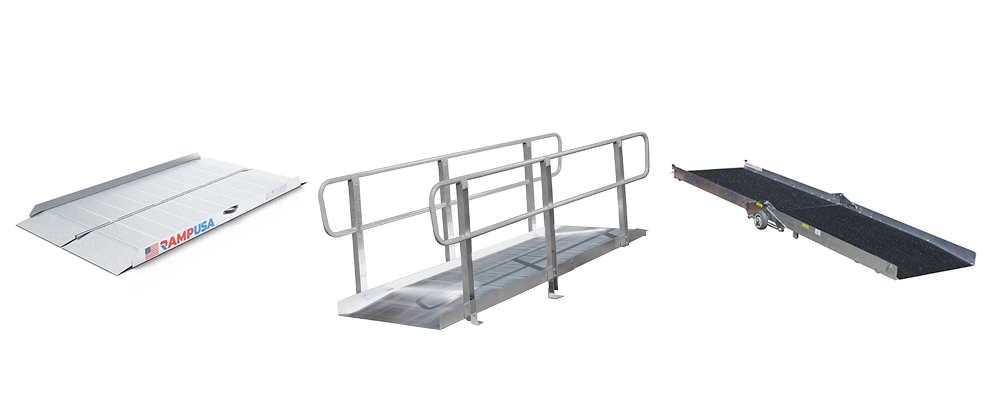
Steps at the front door of your home can create a major obstacle for people using a wheelchair or scooter to access your home safely and independently. A professionally installed ramp will remove that barrier completely, restoring freedom to leave and return home without a caregiver’s assistance on every trip.
Ramp Installation Checklist:
- Non-slip surface texture is non-negotiable
- Handrails on both sides for support
- Aluminum resists weather without maintenance
- Threshold ramps for interior doorway lips
The ramp width should be 36 inches to accommodate all standard wheelchairs comfortably.
Bedroom Safety Checklist
Most nighttime falls occur in the bedroom. So this is the first room to address. This is what you should ensure in terms of safety:
- Keep pathways clear between the bathroom and the bed
- Ensure none of the rugs are left loose
- Install adequate nightlights
- Keep your phone and emergency contacts within hand's reach
- Always keep your mobility aids accessible
Hospital Beds
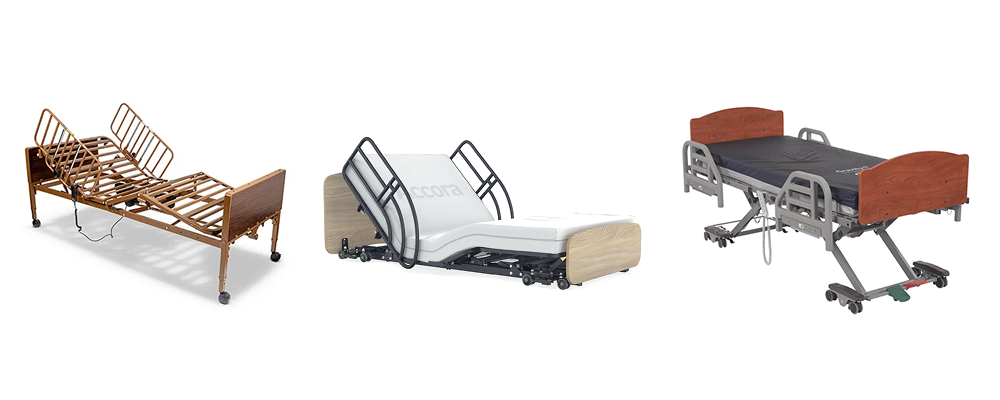
A standard bed can become a serious hazard when mobility declines with age. Home hospital beds offer side rails, height adjustment, and head- or foot-positioning options that reduce the risk of falls during daily transfers.
Bedroom Bed Safety Checks:
- Adjust bed height for safe transfers
- Install full-length side rails securely
- Confirm weight capacity before use
- Lock wheels before every transfer
- Choose electric over manual adjustment
Ensure that nightlights are positioned between the bed and the bathroom to eliminate the risk of nighttime falls. Also, keeping mobility aids and assistive devices in optimal condition through timely medical equipment repair can prevent accidents and support independent living.
Mattresses
Pressure injuries are a serious concern for individuals who spend extended periods in bed or seated positions. A pressure-relief or alternating-pressure mattress will redistribute body weight and reduce the risk of painful complications.
Mattress Selection Checklist:
- Choose alternating pressure for low mobility
- Select low-air-loss for existing skin breakdown
- Add a waterproof cover for easy cleaning
- Match the mattress size to the bed frame exactly
Caregivers need to reposition residents every 2 hours if alternating-pressure mattresses are not available. This helps to prevent sores.
Bathroom Safety Checklist
Why Is It Essential
The bathroom is one of the highest-risk areas for falls due to wet surfaces, tight spaces, and frequent transfers. Here is a safety checklist that you should follow:
Bath Safety Checklist
- Install grab bars in your toilet and shower
- Set up a shower chair to bathe while seated
- Increase the height of your toilet seat to prevent trips
- Use non-slip mats
- Enhance lighting around sinks and bathtub areas
Living Room and Common Area Safety Checklist
This most-used room in the home needs the same safety attention as any other.
Living Room Safety Checklist
- Secure cords if they are loose
- Clear areas to avoid trips
- Ensure your furniture is stable
- Place frequently used items within hand's reach
- Enhance lighting in common seating areas
Lift Chairs
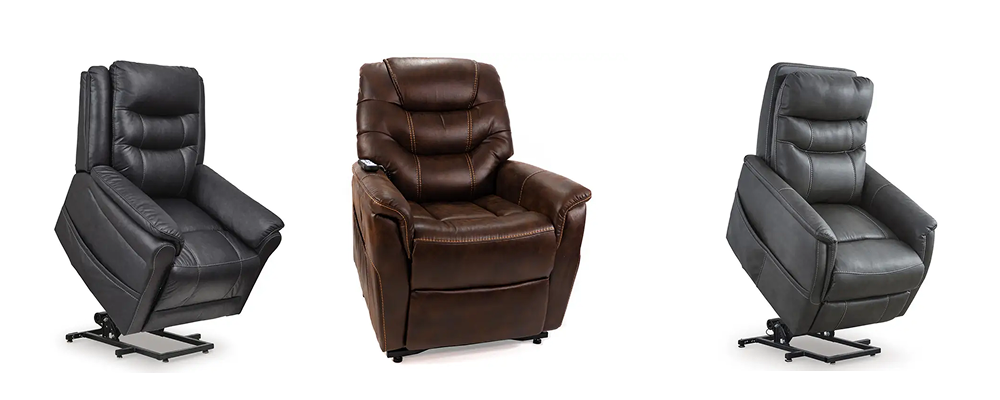
Rising from a seated position is one of the most physically demanding regular tasks for seniors with hip weakness or arthritis. Lift chairs use a motorized mechanism to tilt the seat forward, bringing the user safely to a near-standing position without strain.
Lift Chair Selection Checks:
- Match seat depth to the user's leg length
- Choose remote controls with large buttons
- Heat and massage ease joint discomfort
- Verify the weight capacity for safe lifting
Ensure at least 18 inches of clearance behind the chair for the reclining mechanism to function safely.
Mobility Equipment That Supports Aging in Place
Once the safety check is done for every room, the right type of mobility equipment ensures freedom to move through all of them.
Scooters
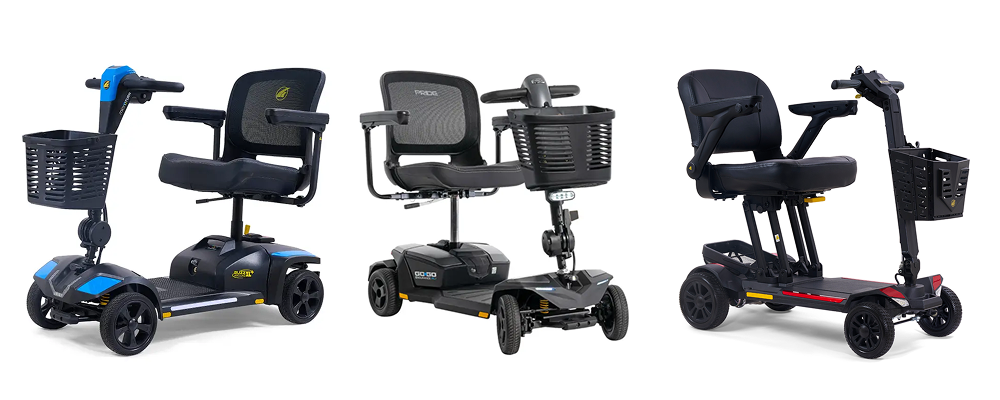
Mobility scooters restore the freedom to move independently when walking becomes challenging or limited. They are ideal for people with limited upper-body strength and effective for daily errands, navigating larger indoor spaces, and outdoor movement.
Scooter Readiness Checks:
- Three-wheel models for tight indoor turns
- Four-wheel models for outdoor stability
- Match battery range to daily distance
- Choose folding models for vehicle transport
Be sure to charge the scooter overnight to ensure a full battery for morning mobility independence.
Wheelchairs
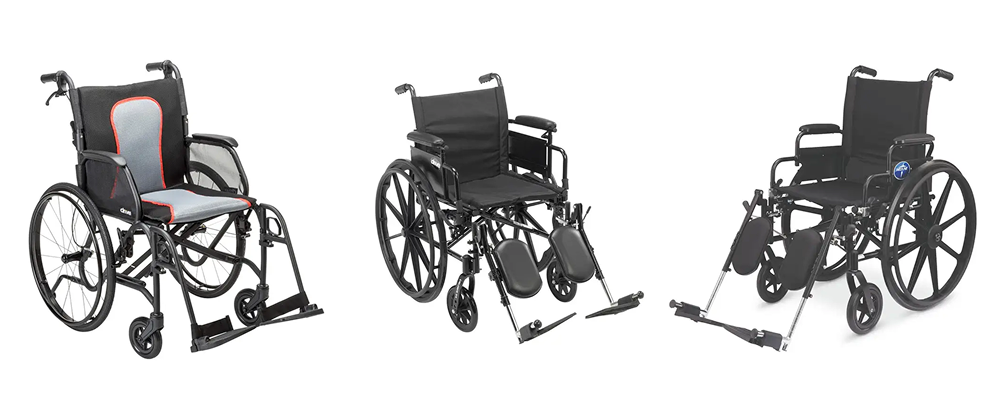
One of the most versatile mobility solutions for both home and travel is a manual wheelchair. Selecting a self-propelling model and a transport chair depends entirely on the user’s arm strength, daily routine, and whether caregiver assistance is available regularly.
Wheelchair Fit Checklist:
- Match seat width to the user's hips
- Transport chairs for caregiver-assisted travel
- Lightweight frames reduce daily user effort
- Anti-tip devices for poor trunk control
- Elevating leg rests for circulation support
A poor seat fit will cause pressure injuries sooner than almost any other equipment oversight.
Electric Wheelchairs
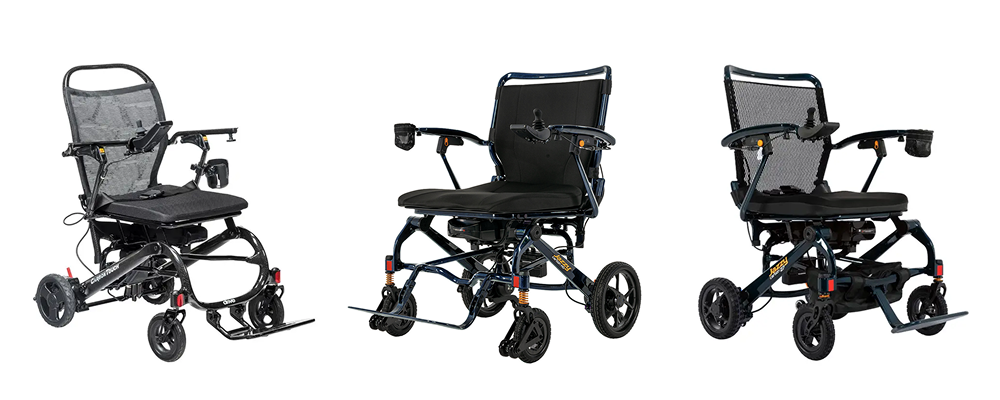
Power wheelchairs provide motorized mobility for people who cannot self-propel and need a clinically appropriate seating system. Mid-wheel drive models are perfect for home navigation, offering the smallest turning radius.
Power Chair Setup Checks:
- Mid-wheel drive for home navigation
- Select tilt or recline for pressure relief
- Verify doorway widths before delivery
- Confirm the weight capacity for safe use
Clear your doorways to about a 36-inch opening before bringing a power wheelchair home.
Transfer and Caregiver Support: Patient Lifts
Transfers between surfaces carry an injury risk for both the individual being transferred and the person assisting them.
Patient Lifts
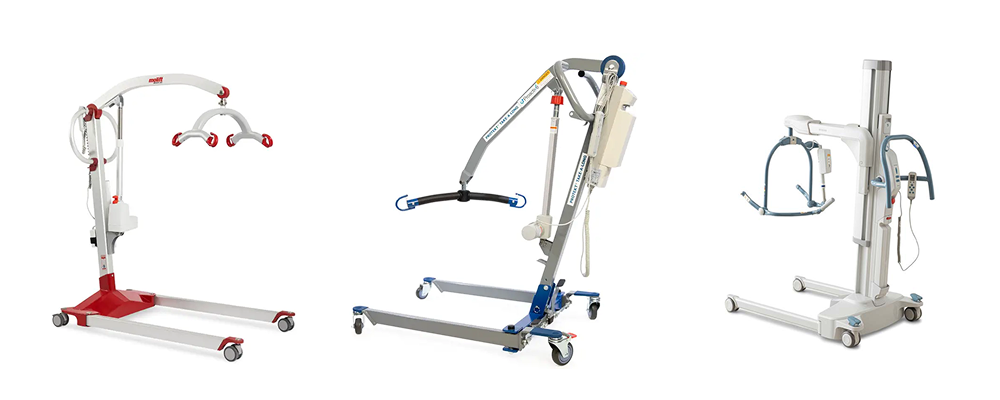
Transfers are the leading cause of caregiver injury at home. Patient lifts use a sling system to move people safely between surfaces, safeguarding the caregiver’s back and the user’s skin.
Patient Lift Safety Checks:
- Electric lifts for solo caregiver transfers
- Ceiling tracks for bedroom-to-bathroom routes
- Select the sling type for each transfer scenario
- Verify weight capacity before every lift
Med Mart: Cincinnati's Most Trusted Name in Home Medical Equipment
Choosing the right equipment provider is as important as the equipment itself. At Med Mart, we have served numerous families in Cincinnati for decades, offering reliable home medical equipment, expert guidance, and compassionate support for aging in place.
Our services include:
- Hospital beds, wheelchairs, scooters, lifts, ramps, bath safety systems
- Expert assessments and product recommendations
- Medicare and insurance billing support
- Decades of local experience and family-focused care
Contact us today to consult with one of our specialists to improve safety and independence at home!
Making Aging in Place Work for Your Family
Growing older at home doesn’t mean avoiding change. To adjust well to the change, always be prepared. Families that go through this list, room by room and decision by decision, give their loved one something no facility can recreate. This is the ultimate comfort of a home.
Investing in the right equipment and support today can help create years of safer, more comfortable, and independent living at home.
Frequently Asked Questions
1. At what age should I start creating aging-in-place plans?
There is no specific age. Many people begin planning in their 50s or 60s so they can make gradual improvements before mobility challenges arise.
2. How often should a home safety assessment be done?
Please ensure that your home's safety is reviewed annually, either when there is a major life change or after surgery, illness, or other noticeable changes in mobility or independence.
3. Does aging in place reduce long-term healthcare costs?
Aging-in-place modifications may help reduce healthcare costs by lowering fall risks, preventing injuries, and delaying the need for assisted living or long-term care services.
4. Do home accessibility modifications need professional installation?
Professionals usually make complex modifications to ensure it is safe for everyday use and properly installed.