


A well-planned home care setup can help bariatric patients move, rest, and receive everyday care safely. Standard beds, chairs, and lifts may not be designed for higher weight capacities or the additional space some users need. Using equipment that isn’t appropriately sized or rated can create safety concerns for both the patient and caregiver. So, planning your home setting and choosing the right equipment before care begins can keep routines safer and more comfortable.
Having the right support can make these critical decisions easier. At Med Mart, we offer a dedicated selection of heavy-duty equipment designed to support a wide range of bariatric mobility and home care needs. Let's go through the best ways to create a safe bariatric home care setup.
What Bariatric Patients Need at Home and Which Equipment Helps
Bariatric home care typically means creating a living space with stronger equipment, wider paths, and additional support for daily tasks. The primary objective is to provide comfort, safety, and independence for the patient and less physical strain for the caregiver.
There are different types of bariatric products, and each one has a purpose:
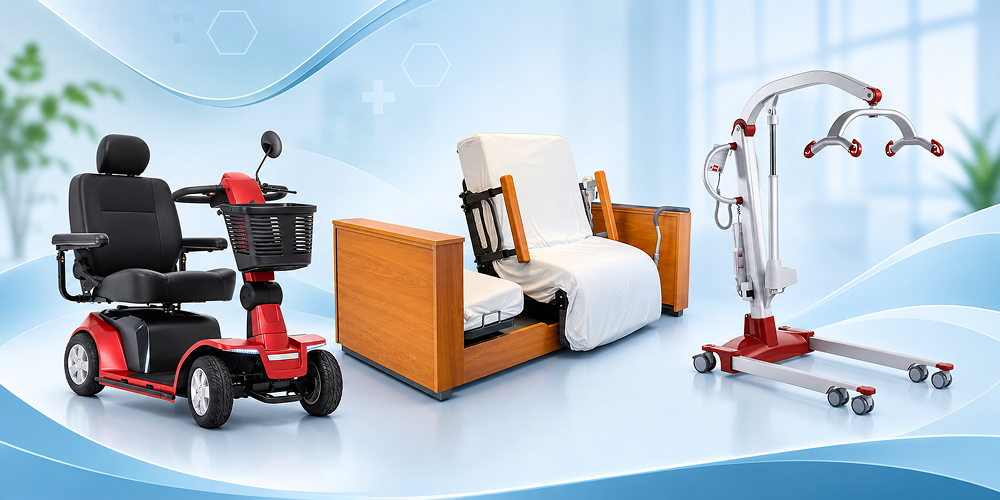
- Heavy-duty wheelchairs offer sturdier frames and additional weight support for comfortable mobility indoors and outdoors.
- Heavy-duty mobility scooters can help people travel longer distances while reducing the amount of walking required.
- Heavy-duty hospital beds offer adjustable positions and higher weight limits, making resting and daily care more comfortable.
- Heavy-duty patient lifts make it easier to transfer from beds to chairs or commodes without heavy manual lifting.
- Heavy-duty homecare mattresses offer additional comfort and pressure support for individuals who spend longer time in bed.
Choosing the right product depends on a person’s mobility needs, physical condition, and regular care. Someone who walks less will need a different level of support than someone who stays in bed longer. So, a safe plan starts with choosing bariatric home care equipment that fits the entire setup.
According to a recent JAMA study, it was found that 42.5% of U.S. adults, about 107 million people, had obesity in 2022. Researchers expect that numbers to reach 126 million by 2035. These figures highlight the importance of access to appropriately sized equipment and supportive care environments for people with higher body weights.
Practical Steps to Build a Safe and Comfortable Bariatric Care Space
It’s important to work through each step below in an organized way. Also keep these notes handy whenever you are comparing each product.
Measure Rooms and Pathways First
Bariatric equipment will only help if it fits through your doors and hallways. Measure doorways, hallways, and turning space before you invest in a product. Also note any steps, rugs, or tight corners that could block safe movement.
Measure and keep a note of these areas:
- Widths of both doorways and hallways
- Turning spaces in bedroom and bathroom
- Steps, rugs, and thresholds
- The route from bed to bathroom
Write down almost every measurement and keep it handy while shopping. A product that looks perfect online may not fit or pass through your hallways. This is where a medical equipment specialist can help you choose the right size.
Choose a Strong and Comfortable Bed
A heavy-duty hospital bed can provide more appropriate space, support, and positioning options for rest, repositioning, and daily care. Check the listed weight capacity and bed width to ensure patients have enough space to move and rest comfortably.
Compare these details before you choose a bed:
- Listed weight capacity rating
- Width and length of the bed
- Adjustable head and foot positions
- Easy-to-reach controls
A good bed supports how a patient rests, heals, and receives daily care. Take time to compare features so the bed fits both the patient and the available space.
Add a Supportive Homecare Mattress
The right mattress can influence sleep quality, comfort, and pressure distribution. These factors are particularly important for people who spend extended periods in bed.
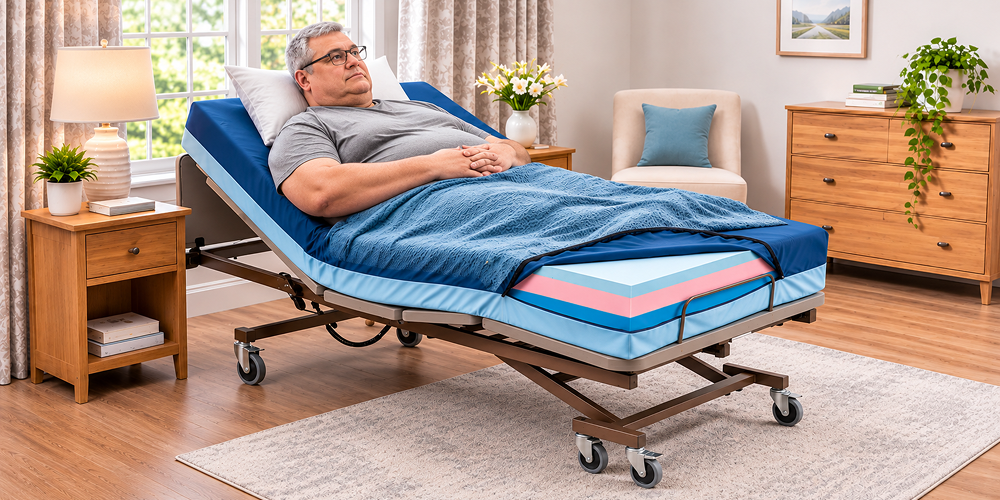
Check the features while comparing mattresses:
- Matching the accurate size for the bed frame
- A weight capacity appropriate for the user
- Pressure-distribution features appropriate for the user’s needs
- Easy-to-clean cover
A suitable mattress may improve comfort and help manage pressure during extended periods in bed. People at risk of pressure injuries may also need regular skin checks and guidance from a healthcare professional.
Plan Safe Transfers With a Patient Lift
Transfers between a bed, chair, or commode can be physically demanding for both patients and caregivers, especially when significant assistance is required. A heavy-duty patient lift can assist with transfers between a bed, chair, or commode while reducing the need for caregivers to manually lift or reposition the person. The lift and sling must be appropriate for the person's weight, body shape, and transfer needs.
Make sure to check these points before choosing a lift:
- Weight capacity of the patient lift
- Sling size and accurate style
- Space for rolling under the bed
- Caregiver training and practices
A patient lift works best when the caregiver feels confident using it. Confirm that the sling is compatible with the lift and properly sized for the person. Caregivers should receive appropriate training and follow the manufacturer's instructions before performing transfers.
Match Mobility Equipment to Daily Movement
Bariatric products such as heavy-duty wheelchairs and mobility scooters can help patients move around comfortably. The best option depends on a bariatric patient’s strength, balance, and how far they can travel daily.
Consider how the equipment is used:
- Width of the seat and weight limit
- Turning space in hallways
- Comfort after prolonged sitting periods
- Battery range for scooters
Try to match each device to real regular routines. A scooter might help outdoors, while a wheelchair might be easier for making short trips inside the home.
Make the Bathroom Safer
Bathrooms can present additional safety challenges because wet surfaces, limited space, and frequent transfers can increase the risk of slips and falls. Appropriate bathroom equipment and well-planned modifications may help make bathing and toileting easier while reducing some common safety risks.
Here are the safety needs in a bathroom to focus on:
- Sturdier grab bars installed on walls
- Non-slip floor surfaces
- Stronger bath or shower seat
- Elevated toilet seat for better support
Small bathroom modifications can reduce some common risks. Properly installed supports, appropriate seating, and keeping the floor as dry and clear as possible can make the space easier to use.
Support the Caregiver and Prepare for Emergencies
A safer home can also protect the person responsible for caring for the bariatric patient every day. Caregivers should learn how each device works, keep help close by, and plan what to do if the patient falls or the power goes out.

Prepare for these support items sooner:
- Keep emergency contact numbers readily available
- Have a backup plan for power outages, especially when using electric lifts or adjustable beds
- Ensure caregivers receive training on the equipment they use
- Schedule regular breaks to help prevent caregiver fatigue
Caregivers are better positioned to provide consistent support when they’re trained, prepared, and able to take appropriate breaks. An emergency plan can also help everyone know what to do if something unexpected happens.
Bariatric Home Safety Checklist Before Care Begins
Review this checklist before a bariatric patient arrives home. Also review it again to check for any changes. This can give you a chance to identify smaller risks sooner.
Check the following before delivering care:
- Make clear and spacious paths easy to navigate
- Bed, mattress, and lift that match the weight limits
- Firm installation of bathroom support
- Handy emergency numbers
- Caregivers who have an understanding of the function of each bariatric product
Review the setup regularly and whenever the person's mobility, care needs, or equipment changes.
Build Your Bariatric Care Setup With Med Mart Online
One of the first steps to a safe home setup is planning and support. At Med Mart Online, we offer a selection of heavy-duty equipment, including wheelchairs, hospital beds, mobility scooters, patient lifts, and homecare mattresses. Our product specialists can help you compare product specifications, weight capacities, and features to find equipment that fits your needs and available space.
Contact us today or submit an online request to learn more about our heavy-duty equipment and find products that support your home care needs.
Frequently Asked Questions
1. How Wide Should Doorways Be for Bariatric Equipment?
Check the equipment's width in the product specifications, then allow extra room to turn. Measure every doorway and hallway the patient will use before ordering.
2. What Weight Capacity Should I Look For?
Choose equipment with a manufacturer-rated weight capacity that safely accommodates the user. Check the listed capacity for every part of the setup, including the bed, lift, sling, wheelchair, or other equipment, and follow the manufacturer’s requirements rather than estimating your own safety margin.
3. Do Bariatric Hospital Beds Come in Wider Sizes?
Yes. Heavy-duty hospital beds are offered in different widths and weight capacities, so compare each model's listed specifications with the patient's size and needs.
4. Can a Caregiver Move a Bariatric Patient Alone?
Whether one caregiver can safely assist with a transfer depends on the person’s mobility, weight-bearing ability, the equipment being used, and the manufacturer’s instructions. A properly selected patient lift and sling may reduce the amount of manual lifting required, but caregivers should be trained before performing transfers independently.
5. How Do I Choose Between a Wheelchair and a Mobility Scooter?
A wheelchair may be a better fit for someone who needs more seated support or assistance with mobility, while a scooter may work well for someone who can sit upright, steer, and operate the controls independently. The right choice depends on strength, balance, endurance, where the equipment will be used, and how much assistance is available.