


Having patient lifts is also crucial for safely moving individuals with limited mobility up and down between beds, wheelchairs, and other surfaces. They reduce caregivers' workload and improve patients' comfort during daily transfers. Nevertheless, selecting an inappropriate type of lift may undermine patient well-being, induce caregiver exhaustion, and weaken overall independence.
This guide discusses the main pitfalls people make when choosing a lift and how to avoid them. This will help you find the most appropriate and safe patient lift that suits your requirements.
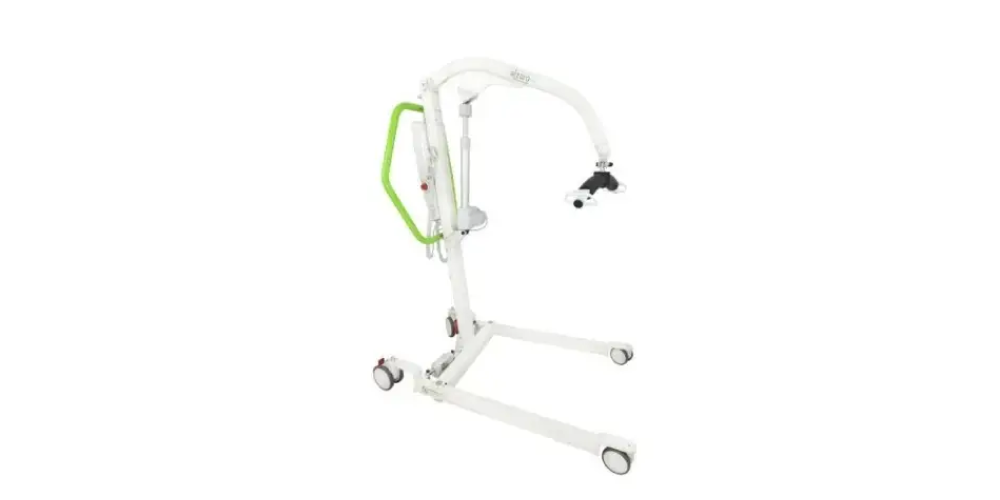
Common Mistakes to Avoid When Choosing a Patient Lift
It might seem simple to select a patient lift, but numerous important criteria define its efficacy. The awareness of these errors helps avoid expensive mistakes, ensures safety, and enhances mobility support. The most common buyer pitfalls are listed below, along with suggestions on how to avoid them.
Mistake 1: Not Considering the Patient’s Mobility Level
The patient’s mobility level is the most important factor when choosing a lift. Every patient needs a different amount of support, and using the wrong lift can affect safety and comfort. A Patient Lift Buying Guide can help you understand the types—full-body, hydraulic, or sit-to-stand—and which one matches the patient’s abilities.
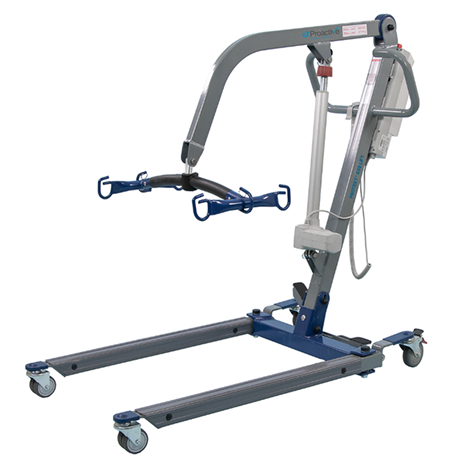
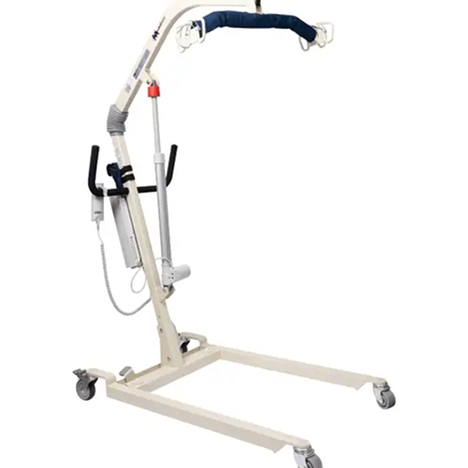
A stand-assist lift may appear convenient for quick transfers, but it only works when the patient can bear some weight and help support themselves. Using this type of lift for someone who cannot assist in standing often leads to frustration because the lift will not function properly, and in the worst cases, it can cause accidents. For a patient who needs full support, trying to use a partial-assist lift can also create unnecessary stress.
How to Avoid It: The best way to avoid this is to first assess the patient’s functional mobility. A healthcare professional can help you determine whether the patient needs full body support or would benefit from partial standing. By matching the lift to the patient’s abilities, you ensure the lift is comfortable for them while also preventing risks and safely supporting their independence.
Mistake 2: Overlooking Home Environment
Although a lift must work within a home environment, many buyers overlook the challenges that come with installing a lift in their living space. Homes vary in corridor widths, overall room sizes, types of flooring, and layout patterns, along with different furniture arrangements, all of which influence how easily a lift can move through the home.
For example, a portable floor lift may seem like the most flexible choice. However, narrow doorways and a crowded living area can make using the lift a daily struggle. Ceiling-mounted lifts save space, while homes with open floor plans and several transfer points make sit-to-stand lifts much easier to use.
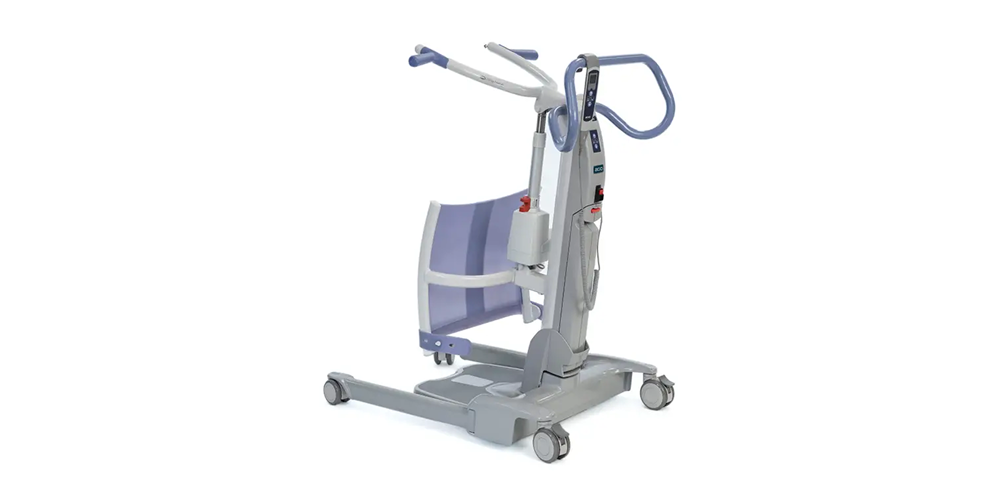
How to Avoid It: Avoiding this problem is only possible through a careful review of all important measurements. Hallway, doorway, and room dimensions will show how the lift can move from the bedroom or the bathroom to the living room. By planning and taking these measurements, you move closer to choosing the best patient lift for home use that fits your daily routines.
Mistake 3: Focusing Only on Price
While cost is always a factor, considering the price alone can lead to disappointment. Budget lifts may appear to be a good deal, but their quality of build, sling support, weight capacity, and other crucial components can be significantly lower than industry standards. Questions to consider when buying a patient lift include estimating the frequency of use, safety requirements, and whether the lift will accommodate potential future needs.
For instance, if a budget model works to your advantage because it costs less initially, but it entails an endless cycle of maintenance, there is a trade-off. In contrast, there is a well-constructed model, built to last, and has robust safety features, for which the initial cost will result in significant returns in the long run.
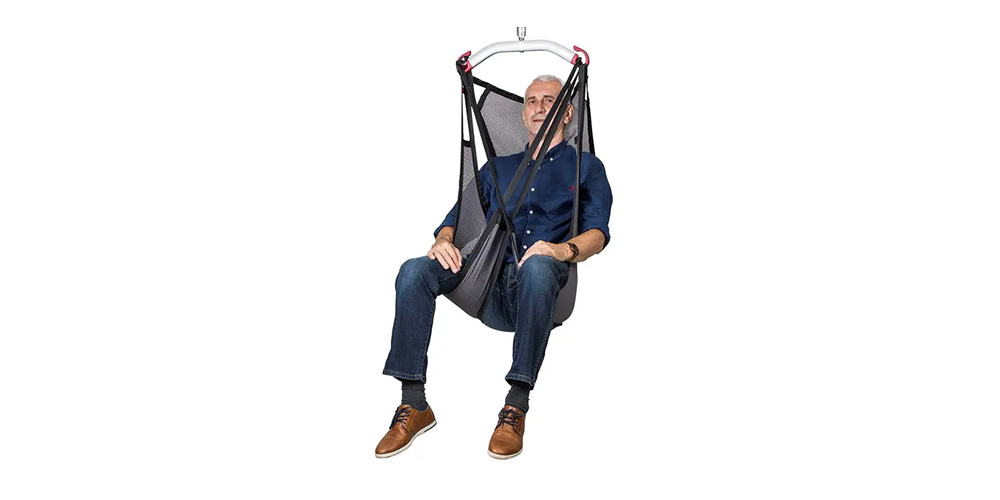
Molift EvoSling Shadow HighBack
How to Avoid It: To avoid this, consider not only the price but also the construction quality, safety features, ease of use, and warranties for the lift. Equipment of this caliber offers several mobility lift benefits, justifying the cost of mobility lifts and providing the patient with security, while giving the caregiver peace of mind.
Mistake 4: Ignoring Caregiver Needs
While caregivers are the primary operators of patient lifts, their needs are often ignored. Loads that are too large, overly complicated, or difficult to maneuver can lead to increased caregiver fatigue, which in turn can jeopardize safety during transfers.
Picture a caregiver who has to maneuver a cumbersome lift several times a day within confined quarters. The absence of fully ergonomic handles or properly placed intuitive controls can force a caregiver to lift the entire weight of the lift, leading to a high risk of back injury or inconsistent lift use. These situations lead to unsafe and inefficient care.
How to Avoid It: Select a lift with a thoughtful design that considers the needs of both the patient and the caregiver. Proper design includes easy-to-operate patient controls, quality swivel wheels, and a lift construction that achieves an optimal weight-to-support ratio. The balance between caregiver support and patient support will ensure caregivers do not experience undue physical strain.
Mistake 5: Choosing Without Professional Guidance
Purchasing patient lifts should be done only after consulting a professional. Families order patient lifts online, only to realize they lack the necessary equipment. Equipment that appears adequate online may still fail the practical test. Knowing the difference between a patient lift and a stand assist lift is crucial, as only trained personnel can determine the most appropriate choice based on the patient’s mobility, comfort, and safety needs.
Healthcare professionals, particularly occupational and physical therapists, conduct invaluable assessments. They deconstruct the patient’s mobility, determine the most suitable lift type, and direct the sling choice. Without this insight, the equipment you purchase is likely to provide discretion and autonomy, but the lift will fail to deliver independence.
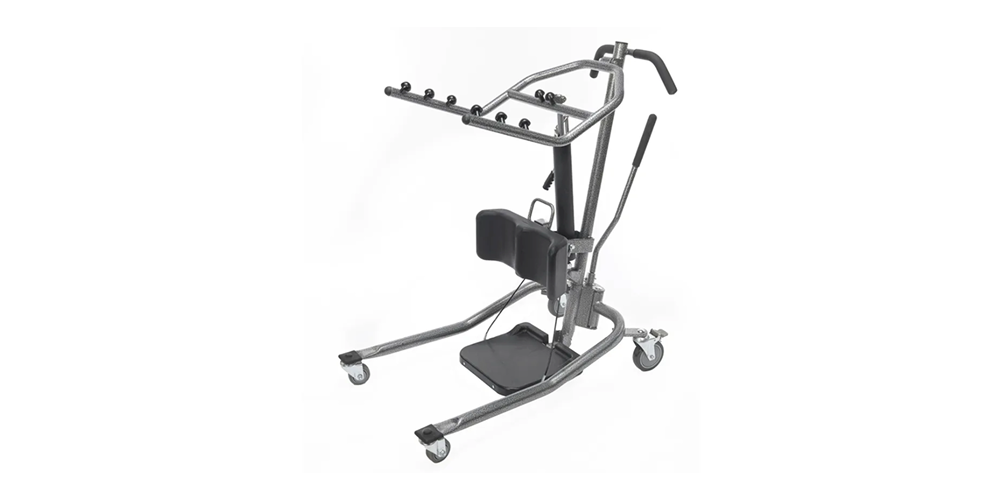
Protekt® 350 Hydraulic Sit-to-Stand Lift
How to Avoid It: Always consult a professional before making a purchase. Specific conditions and environments can determine the best patient lift option suggested by a therapist or medical equipment supplier to guarantee long-term safety and usability.
Mistake 6: Forgetting About Accessories and Sling Compatibility
The transfer solution only includes the lift itself. Slings and other accessories should be matched appropriately to provide safe and comfortable usage. Using the incorrect type and size of sling cannot only be uncomfortable but also result in unsafe transfers.
An example is a toileting sling, which should not be used in general transfers, and a tiny sling would lead to circulation problems. Different patients may require various slings depending on other activities, such as repositioning in the bed, toileting, or bathing.
How to Avoid It: It is always essential to verify the sling compatibility with your chosen lift. Purchase multiple slings to suit various everyday needs. This versatility ensures the use of safer, more dignified transfers and maximizes the mobility lift benefits for the patient.
Mistake 7: Not Thinking Long-Term
Mobility requirements hardly stay the same. There are various patients with progressive conditions or unstable abilities that change with time. Selecting a lift without considering the current situation can result in the equipment becoming outdated within a few years.
A sit-to-stand lift, used as an example, can be effective in the initial phases of a condition. A full-body lift, however, can be required with a diminution in strength. Short-term planning leads to expensive substitute replacements and the breaking of care patterns.
How to Avoid It: Anticipate the likely progression of the patient’s condition. Choose equipment that can adapt as their needs change. By concentrating on long-term support for patient independence rather than short-term fixes, you can ensure consistent safety and comfort.
Take the First Step Toward Safer, Easier Transfers!
The choice of lift is not something to be taken lightly. It involves considering the patient's mobility both currently and in the future, the caregiver's capabilities, home architecture, and the supportiveness of accessories. It is vital to look beyond price and consider durability and long-term use.
At Med Mart, you can explore a comprehensive range of patient lifts designed to meet a wide variety of needs. We offer expert guidance and reliable equipment to help you identify the best patient lift for home use. With the right advice and support, you can confidently invest in the best patient lift option that promotes safety, dignity, and independence. Contact us today!
Frequently Asked Questions (FAQs)
What is the best patient lift for home use?
A home patient lift requires a system tailored to the size of the home, the patient's mobility, and the caregiver's needs. There are ceiling lifts, sit-to-stand lifts, and portable floor lifts.
How do patient lifts support independence?
Patient lifts promote independence, as the caregiver's workload is minimized. They facilitate out-of-harm transfers and ensure dignity and comfort to patients in their day-to-day activities.
What are the key benefits of using a mobility lift at home?
The potential benefits of mobility lifts include reduced strain on caregivers, increased patient comfort, enhanced safety during transfers, and facilitation of stable home care independence.
Can I use any sling with a patient lift?
Not all slings are suitable for all patient lifts. Compatibility varies in terms of design, weight-carrying capacity, and intended purpose. Your required lifts may be compatible with sling options, but it is always essential to verify this with your lift manufacturer.
Should I buy a patient lift online or consult a professional first?
It is always advisable to consult a professional before reaching a conclusion about which patient lift is the best choice, depending on the individual's needs. Experts will minimize errors and ensure the safety of care in long-term care.