One of the most meaningful roles that a person can take on is caregiving. Care offered by home health aides, family caregivers, and nurses makes a huge difference in the lives of those facing injury, illness, or age-related challenges. Likewise, the emotional and physical demands of caregiving are real. They start building up quietly and eventually can reach a breaking point.
Therefore, caregiver burnout is never a sign of weakness or lack of commitment. It is a common outcome of long-term caregiving responsibilities when done without proper support, tools, or rest. Reliable support systems have a huge impact on managing these challenges.
This is where Med Mart steps in. A reliable medical equipment supplier offers accessibility and mobility solutions to help families create safer home care settings and reduce the strain associated with caregiving. Accessing the right mobility equipment helps caregivers deliver better support, safeguarding their own health and well-being.
What is Caregiver Burnout?
Caregiver burnout is a state of complete physical, emotional, and mental exhaustion that builds over time. This is a common situation when caregiving demands consistently outweigh a person’s resources and support systems. It is different from ordinary tiredness that does not resolve with a good night's sleep. Burnout happens slowly, and without proper intervention, it worsens.
Common indicators of caregiver burnout include:
- Consistent tiredness and low energy
- Elevated anxiety and stress
- Mood swings and irritability
- Insomnia or difficulty sleeping
- Isolated feelings
- Physical pain or discomfort
- Loss of interest in personal activities
According to the AARP Public Policy Institute’s Valuing the Invaluable report, about 59 million family caregivers offered 49.5 billion hours of care that contributed to an economic valuation of $1.01 trillion. However, when left unaddressed, caregiver burnout has an adverse impact on the caregiver’s quality of life and the care received by loved ones.

The Physical Challenges of Caregiving
One of the main reasons behind caregiver burnout is physical strain. Meeting daily caregiving responsibilities often involves repetitive movements and physically demanding assistance throughout the day.
Most caregiving tasks comprise physically demanding activities, including:
- Helping with transfers between surfaces
- Supporting mobility and walking
- Repositioning people in bed
- Assisting with bathing or dressing
- Helping with toileting needs
- Transporting wheelchairs and other mobility equipment
Frequent lifting and movement assistance place a lot of stress on the caregiver’s back, knees, joints, and shoulders. The risk of injuries increases when caregivers perform tasks without adequate mobility aids or supporting equipment.
Adequate selection of mobility aids, professional guidance, and reliable medical equipment installation services can help build a safer home for both caregivers and care recipients.
How Mobility Equipment Helps Prevent Caregiver Strain
Mobility equipment is an assistive device designed to support patient movement, transfers, and positioning.
Improves Safe Transfers
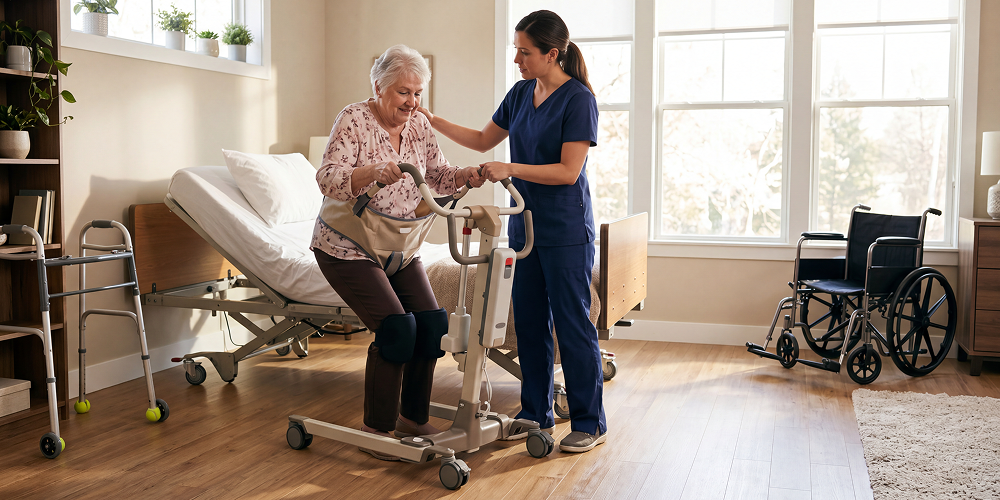
Mobility equipment simplifies patient transfers and reduces the physical effort required during routine caregiving. An adequate choice of support tools can help enhance comfort and safety.
Caregivers can effectively manage every transfer with equipment, including:
- Transfer boards and aids
- Mechanical lift systems
- Sit-to-stand assistance devices
For instance, mobility solutions such as patient lifts safeguard caregivers from back injuries. They also help eliminate risks during patient lifting and enhance transfers.
Encourages Greater Independence
Mobility aids can help people stay active and perform their routine activities. Better independence eliminates the need for constant physical help.
Choosing the right mobility equipment can encourage:
- Better and more confident movement
- Greater participation in regular activities
- Enhanced mobility independence
People often perform regular tasks more comfortably when a mobility aid is available. Greater independence also eases caregiver workloads, promoting dignity and confidence for loved ones.
Reduces Physical Exhaustion
Physical needs build up quickly when caregivers perform repetitive lifting and support tasks daily. Mobility equipment can help distribute effort evenly and safely.
Beneficial solutions include:
- Powered mobility devices
- Adjustable positioning equipment
- Ergonomic transfer systems
Also, responsive medical equipment repair services are equally important, as they can help ensure devices function smoothly and safely. Reduced physical strain enables caregivers to conserve energy and comfortably maintain their responsibilities.
Enhances Safety for Both Parties
The core responsibility of a caregiving role is to ensure the patient’s safety. Proper mobility equipment can reduce the risk of common movement-related or fall-related injuries.
Key safety benefits include:
- Improved stability during movement
- Reduced fall-related risks
- Better caregiver protection
The right equipment creates a secure care setting that confidently supports regular routines. Improved safety also helps caregivers focus on quality support rather than worrying about injuries and emergencies.
Essential Mobility Equipment That Supports Caregivers
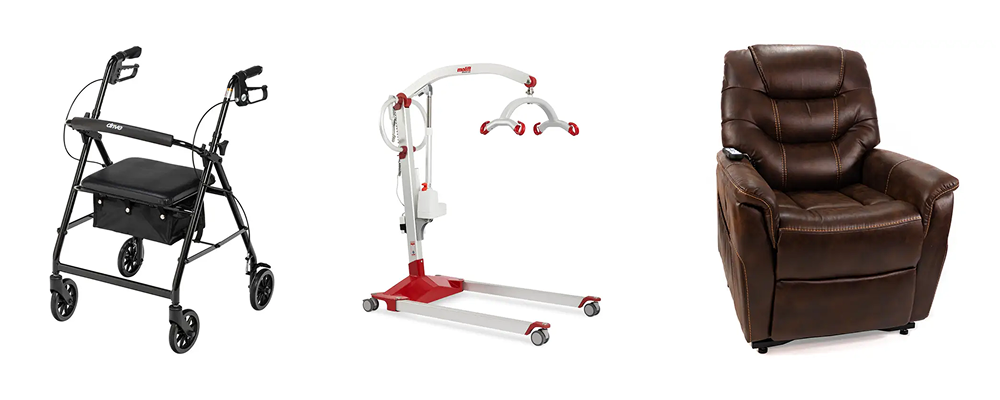
Diverse caregiving situations demand different solutions. The following are the key pieces of equipment that enhance safety, comfort, and efficiency within the home:
Walkers and Rollators
Walkers and rollators offer better stability and balanced support for people who need more assistance to remain mobile.
Wheelchairs
Both manual and powered wheelchairs help people move safely while reducing the physical demands on caregivers.
Patient Lifts and Transfer Systems
Patient lifts and transfer systems help ensure safer movement between beds, chairs, bathrooms, and wheelchairs, reducing the need for caregiver lifting.
Lift Chairs
Lift chairs help individuals safely transition from sitting to standing, reducing strain on caregivers while supporting greater independence at home.
Hospital Beds and Adjustable Positioning Systems
Adjustable hospital beds enhance comfort, simplify repositioning, and streamline caregiving tasks.
Heavy Duty Bariatric Products
Bariatric equipment is designed to support people seeking higher weight capacities and improved durability.
Personal Protective Equipment
Personal protective equipment helps maintain both safety and hygiene for caregivers and care recipients during daily care activities.
Stairlifts
Stairlifts enhance accessibility in a home, enabling people to move safely between floors without causing much physical strain.
Why Families Trust Med Mart for Home Medical Equipment
Families caring for their loved ones at home seek reliable solutions. At Med Mart, we offer quality mobility products, expert repair and installation services, professional guidance, and consistent support to help you create a safer caregiving setting at home.
Caregivers benefit considerably when working with a reliable equipment supplier offering:
- Extensive selection of home medical equipment
- Expert product recommendations and support
- Reliable service before and after purchase
Quality support equipment and expert assistance help families make smart decisions for long-term care needs. Contact us today to browse our mobility solutions that support safer, more comfortable caregiving at home!
Supporting Better Care Through Smarter Solutions
Caregiver burnout is a widespread issue, but not inevitable. When care settings are equipped with the right mobility devices, caregivers can be protected from physical strain that can accelerate injury and exhaustion. The patient also receives dignified and long-term care solutions.
Mobility equipment is no longer a luxury today. It is a core foundational investment in health for those involved in care, mainly the patient, the caregiver, and families who rely on both.
Frequently Asked Questions
1. What are the signs that my loved one needs mobility equipment?
If navigating daily activities becomes difficult, you stumble often, or you have less confidence while moving, then you need it.
2. Can mobility equipment help a person stay home longer?
Mobility solutions that are right for the individual foster independence and make long-term aging in place safer.
3. Does insurance cover home mobility equipment?
The insurance coverage will vary depending on the provider, the medical need, the prescription, and the type of equipment.
4. How often should mobility aids be checked or serviced?
Regular inspections help ensure safety, reduce breakdowns, and extend the life of the equipment.