As people get older, changes in mobility, balance, vision, and strength can make familiar spaces harder to navigate. Steep stairs, slippery bathroom floors, and essentials stored out of reach increase the overall risk. Families may not notice these risks until an older adult has a fall or a near miss.
That’s where expert guidance from mobility equipment suppliers such as Med Mart Online comes in. Specialists can help you spot warning signs and explain which home modifications or mobility aids might help. In this post, we’ll cover the main signs of an unsafe home for seniors, helping older adults, family members, and caregivers spot issues sooner and decide what to change first.
Why Home Safety Matters More as You Get Older
Age-related changes in mobility, coordination, strength, and vision can affect everyday routines. According to the National Safety Council, the risk of serious injury and death from falls increases with age, with the highest rates among adults age 85 and older.
Small issues around the home can become much more important when someone’s mobility or balance changes.
Here are a few things to look for as you walk through the home:
- Loose rugs or clutter that create tripping hazards
- Everyday items that are difficult to reach
- Poor lighting in hallways, bathrooms, or near stairs
- Missing or inadequate handrails
- Mobility equipment that no longer fits the person’s needs
- Bathroom features that are becoming harder to use
- Areas where movement has become more difficult or uncomfortable
The goal isn’t to take away independence. It’s to make the home easier to navigate so the person can continue doing as much as possible safely and comfortably.
Well-selected home mobility products can support daily routines without unnecessarily replacing the things someone can still do on their own.
Warning Signs a Familiar Home No Longer Fits an Older Adult's Needs
Changes often happen gradually, so it helps to know what to look for before a serious problem occurs.
The signs below can help families recognize areas that may need attention and identify where simple changes or mobility equipment could help.
Repeated Falls or Close Calls at Home
A fall is a clear warning sign, but near misses matter too.
Stumbling on a step, grabbing furniture for balance, or catching a toe on a rug may point to an issue that deserves a closer look.
Warning Signs to Watch For
- Bruises without a clear explanation
- Holding onto walls or furniture while moving through the house
- Fear of falling again
- Shuffling or dragging the feet
- Feeling dizzy when standing up
Not every one of these signs is caused by the home itself.
For example, dizziness when standing may be related to a medical issue and should be discussed with a healthcare provider. But things like poor lighting, loose rugs, clutter, or missing handrails may also contribute to the problem.
A good place to start is by reviewing common fall-prevention tips at home, including keeping walkways clear and improving lighting where needed.

Bathroom Tasks Start to Feel Risky
Slippery floors, high bathtub sides, and low toilets can make the bathroom harder to navigate and require more physical effort.
If bathing or toileting starts to feel difficult or uncomfortable, the bathroom may no longer fit the person’s mobility needs as well as it once did.
Some older adults may even begin avoiding showers or baths because they feel unsteady or worry about falling.
Warning Signs to Watch For
- Avoiding baths or showers
- Needing caregiver assistance to stand
- Slippery floors after bathing
- Holding onto towel bars or other fixtures for support
- Struggling to get up from the toilet
Bathrooms can create more challenges than many other rooms because they combine water, hard surfaces, and tight spaces.
Wet floors and missing grab bars are common fall risks that people overlook at home, even in otherwise clean and uncluttered bathrooms.
Standing From Chairs Takes Real Effort
Pushing hard on the armrests, rocking forward for momentum, or needing several attempts to stand may be signs that getting up from a chair is becoming more difficult.
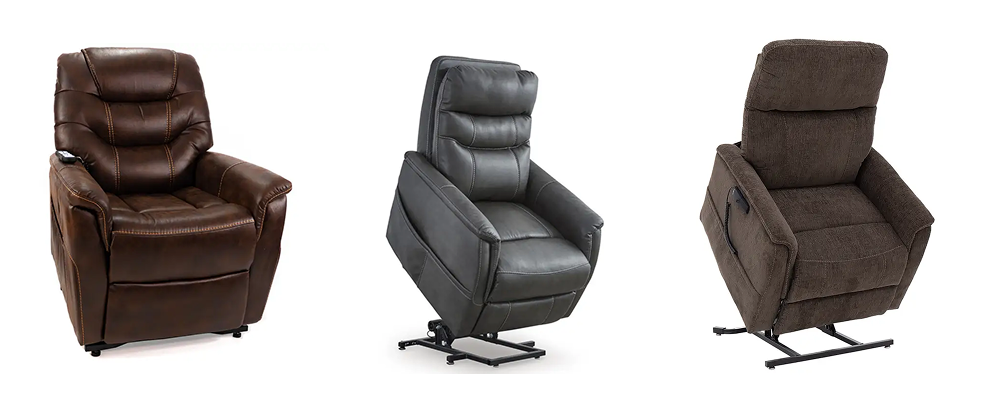
Home accessibility products such as lift chairs may help by using a powered seat-lift mechanism to reduce some of the effort required to move from sitting to standing.
Warning Signs to Watch For
- Pushing off with both arms
- Sinking too low into softer seats
- Needing more than one attempt to stand
- Avoiding certain chairs
- Legs feeling shaky while rising
Trouble standing up or sitting down can become a frustrating part of everyday life, so it’s worth addressing before it becomes more difficult.
Planning ahead also gives you more time to choose the right lift chair based on the user’s height, body size, mobility, and positioning needs.
Getting Out of Bed Takes Extra Help
Getting in and out of bed may become more difficult when mobility changes, especially if the bed is too low, too high, or difficult to reposition in.
In some situations, a hospital bed may be worth considering because features such as adjustable height, head positioning, or other support options can make transfers and positioning easier.
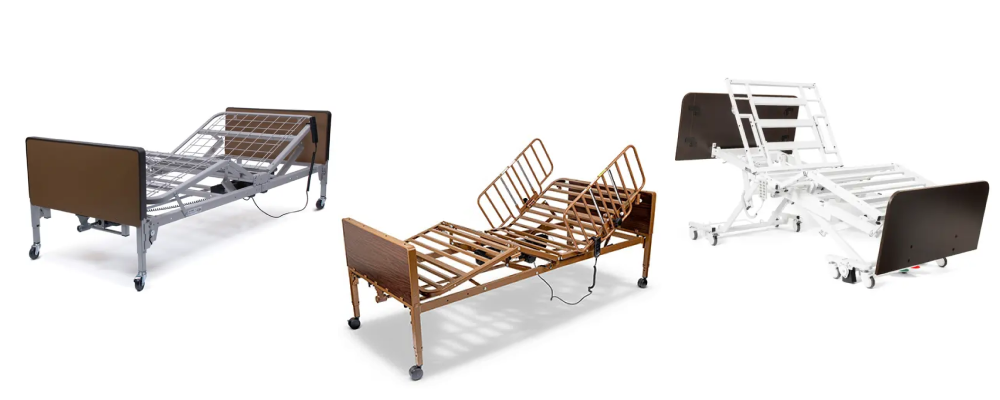
That doesn’t mean everyone who struggles getting out of bed needs a hospital bed. The right solution depends on the person’s medical needs, mobility, bed height, transfer ability, and how much assistance is required.
Warning Signs to Watch For
- Using bedside furniture for support
- Struggling to roll over
- Sliding down the mattress
- Back discomfort when sitting up
- Sleeping in a chair instead of the bed
When mobility needs change, families may also want to compare hospital beds and adjustable beds before deciding which type of bed makes the most sense.
Stairs and Entryways Feel Unsafe to Use
A steep staircase, steps at an entrance, or a missing handrail can make it harder to reach bedrooms, laundry areas, or other parts of the home.
Hesitation at the top or bottom of the stairs is worth paying attention to because stairs leave little room for error.
Warning Signs to Watch For
- Gripping the railing with both hands
- Resting halfway up the stairs
- Avoiding upstairs rooms
- Tripping on porch or entry steps
- Poor lighting near the stairs
When stairs or entry steps become harder to manage, solutions such as improved lighting, sturdier handrails, ramps, or other accessibility changes may be worth considering.
Narrow Doorways and Tight Hallways
A wheelchair or walker usually needs more room than a cane.
Scraped door frames, furniture constantly being moved out of the way, or rooms that are no longer used may show that the home’s layout is becoming difficult to navigate.
Measuring doorways and hallways early can also help when choosing a new mobility device.
Warning Signs to Watch For
- Scraped walls or door frames
- A walker that regularly catches on furniture
- Rooms that are no longer used
- Difficulty turning corners
- Avoiding rooms that feel too cramped
Even a little extra clearance can make it easier to maneuver a walker or wheelchair.
Before making major structural changes, try rearranging furniture and clearing the main walking paths. Sometimes a simple layout change solves part of the problem.
Poor Lighting and Changing Eyesight
Dim hallways, shadows on stairs, and glare from windows or flooring can make steps and obstacles harder to judge.
Squinting, trailing a hand along the wall, or misjudging distances may indicate that the existing lighting no longer works as well for the person using the space.
Warning Signs to Watch For
- Difficulty seeing steps in dim lighting
- Squinting at switches or labels
- Avoiding walking around the home at night
- Glare from windows or floors
- Misjudging distances to furniture
Vision can change with age, so a hallway that once felt perfectly fine may become harder to navigate after dark.
Brighter bulbs, nightlights, reduced glare, and better task lighting are relatively simple changes that can make a noticeable difference.
Everyday Items Stored Out of Reach
Daily essentials stored on high shelves, pots in low cabinets, or a frequently used lamp across the room can lead to unnecessary reaching, bending, or climbing.
Those movements may become more difficult as balance, strength, or mobility changes.
Warning Signs to Watch For
- Standing on chairs to reach everyday items
- Bending low for frequently used items
- Using step stools often
- Clothes or belongings piling up because storage is difficult to reach
- Phones, glasses, or medications being kept too far away
Moving frequently used items within comfortable reach costs very little and can eliminate a lot of unnecessary stretching and bending.
Reachers and bedside organizers may also help when rearranging storage isn’t enough.
Transfers Need a Second Person
Moving from a bed to a chair or from a chair to the toilet can become physically demanding when someone needs significant assistance.
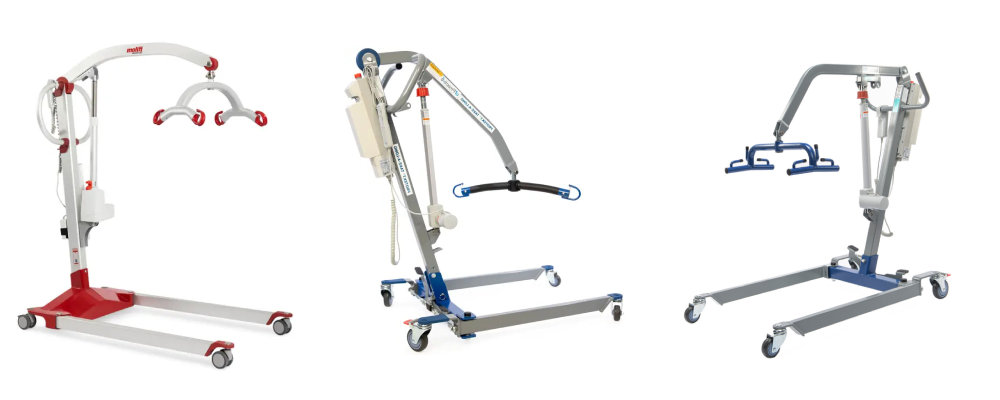
When a caregiver is regularly pulling, lifting, or supporting much of the person’s body weight, it may be time to look at safer transfer options.
Patient lifts and other transfer equipment may reduce the amount of manual lifting required when they’re properly selected and used for the person’s needs.
Warning Signs to Watch For
- Needing someone to pull them upright
- Fear during bed or chair transfers
- Caregiver back or shoulder strain
- Near falls during transfers
- Waiting for another person before moving
Transfers can place a lot of physical demand on caregivers, and the right equipment depends on how much weight the person can bear and how much they can participate in the movement.
Families may also consider lift chairs as a way to reduce some caregiver assistance when standing from a seated position has become difficult.
Daily Tasks Need More and More Help
Meals, laundry, and walks to the mailbox now take far more energy than they used to. When someone needs help with tasks that were routine last year, it's time to look more closely at the home setup. Tiredness is often the first thing families notice.
Warning Signs to Watch For
- Skipping meals or laundry
- Mail piling up
- Needing more help getting dressed
- Frequently used items stored too high or too low
- Becoming noticeably tired by afternoon
Needing more help doesn’t mean someone has to give up independence.
Sometimes it simply means the home needs to work better for the person living in it, and those changes can start small.
Helping Older Adults Stay Safe at Home
Repeated stumbles, difficult bathrooms, hard-to-manage stairs, and a growing need for help with transfers can all signal that a home may need to change as mobility needs change.
The good news is that not every solution requires a major renovation.
Sometimes improving lighting, clearing walkways, rearranging furniture, or moving everyday items within reach is enough to make daily routines easier. Other situations may call for equipment or more significant accessibility modifications.
Med Mart Online carries hospital beds, lift chairs, patient lifts, scooters, ramps, and other mobility products, and our team can help match equipment to the person using it.
Explore our home care and mobility solutions, seek professional guidance when needed, and contact us if you’d like help determining what may work best for your situation.
Frequently Asked Questions
1. Who should I call first if I think my parent's home is unsafe?
Start with your parent's doctor, who can refer you to an occupational therapist. That therapist can visit the home and suggest changes for daily routines.
2. Does Medicare pay for home safety equipment or changes for seniors?
Medicare may cover some durable medical equipment when a doctor orders it. It usually does not pay for home changes like ramps or grab bars.
3. Can an older adult safely stay at home after a serious fall?
Many can, with a doctor's review and a few targeted home changes. The right plan depends on the injury, current strength, and any available help.
4. How often should a senior's home be checked for safety hazards?
Review the home once a year, and again after any fall, illness, or hospital stay. Needs can change quickly after those events, so check again.
5. How do I talk with a parent who resists changes at home?
Start by asking what feels difficult rather than listing everything you think is wrong.
Ask about everyday tasks, what feels frustrating, and what they’d like to make easier.
Small changes are often easier to accept than trying to change the entire home at once, and keeping the person involved in the decisions can help preserve their sense of control.